Cat Stopped Eating Wet Food? Easy Fixes and the Best Foods for Picky Eaters
Cats refusing wet food is rarely random. It's almost always one of 5 things, and most cats are eating again within 5 days once you find the right variable.
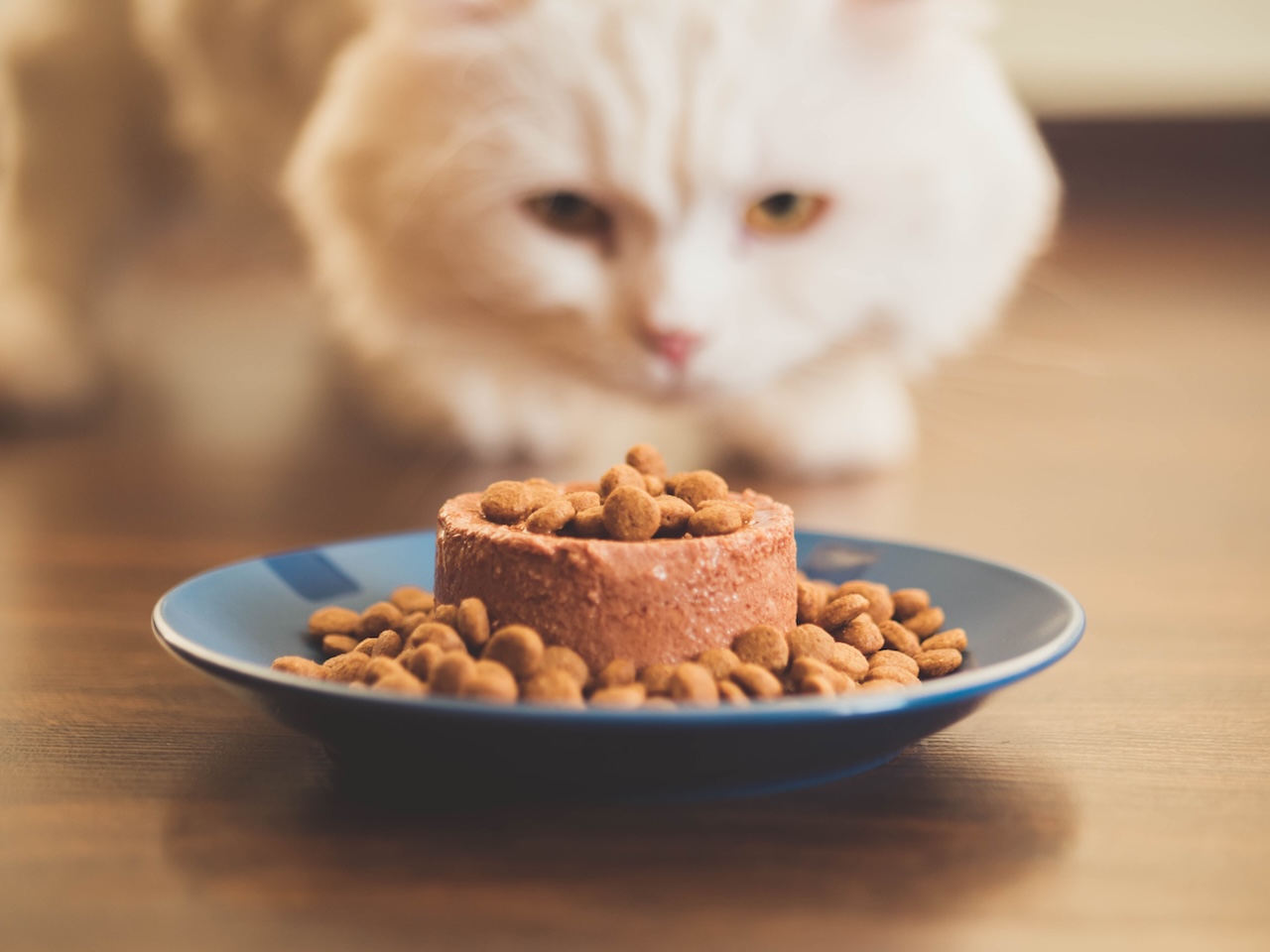
If your cat suddenly stopped eating wet food, the cause is almost always one of five things: temperature or texture wrong, oxidized food smell, dental pain, environmental stress, or an underlying medical issue. The most urgent rule: cats can't safely fast more than 24 to 48 hours. Beyond that, fatty liver disease (hepatic lipidosis) becomes a real risk, especially in overweight cats. Most cases resolve in 5 days once you identify the variable. If your cat refuses all food (including treats) for 24 hours, this is a vet visit, not a wait-and-see.
Why Cats Refuse Wet Food
Cats are obligate carnivores with sharp preferences hardwired by evolution. They prefer food at body temperature (mimicking fresh prey), with a specific texture, in clean wide bowls, in calm locations, that smells fresh and unoxidized. The Cornell Feline Health Center documents that food refusal lasting more than 24 to 48 hours is a medical emergency in cats due to risk of hepatic lipidosis, particularly in overweight cats.
The five most common causes of wet food refusal, ranked:
- Temperature, texture, or freshness wrong
- Food has oxidized or gone stale
- Dental pain or oral injury
- Stress and environmental change
- Medical issue (kidney disease, GI illness, nausea)
Sudden refusal in a cat that has eaten wet food happily for years is almost always the food itself or a medical issue. Long-standing refusal is usually texture imprinting from kittenhood.
Temperature, Texture, and Freshness
Cold food straight from the fridge is the single most common reason cats reject wet food. Cats evolved to eat fresh prey at body temperature (around 100°F). Cold food smells less, tastes wrong, and triggers food refusal. Most cats accept the same food once warmed.
Texture preferences: Cats imprint on texture early. A cat raised on pâté may reject shredded. A cat raised on chunks may reject pâté. Common preferences:
- Pâté (smooth, dense, ground)
- Shredded (long fibers in gravy)
- Minced (small pieces, gravy)
- Chunks (large pieces, jelly or gravy)
Oxidized Food (The Hidden Killer of Appetite)
Wet food oxidizes fast once opened. Refrigerated food loses palatability after 2 to 3 days. Food sitting at room temperature for more than 30 to 60 minutes goes off in ways humans can't smell but cats can. They walk up, sniff, and reject.
Signs the food has oxidized:
- Slight darkening or color change
- Crust forming on the surface
- Faint sour or "off" smell (your cat smells it long before you do)
- The food has been out longer than 30 minutes
Dental Pain or Oral Injury
Cats with mouth pain often refuse wet food first because chewing (even soft food) triggers pain. They may also drool, paw at their mouth, eat from one side, or stop grooming. Dental disease affects the majority of cats by age 3 and is wildly underdiagnosed.
Red flags requiring a vet visit:
- Drooling, especially with bad breath
- Pawing at mouth or face
- Tilting head while eating
- Dropping food while trying to eat
- Visible red, swollen gums
- Loose, broken, or visibly damaged teeth
The American Veterinary Medical Association recommends annual dental exams for adult cats and emphasizes that dental disease is a common and underdiagnosed cause of appetite changes.
Stress and Environmental Change
Cats are deeply territorial. A new pet, a baby, a move, construction, a schedule change, or even moving the food bowl can trigger appetite suppression. Cats often eat poorly for 3 to 7 days during transitions.
Multi-cat households are especially prone. A cat that gets bullied at the food bowl by a more dominant cat will eat less or skip meals. The fix isn't food. It's environment. This often shows up alongside litter box avoidance or disrupted sleep patterns.
Medical Causes (Especially in Senior Cats)
Sudden food refusal in a cat over 8 deserves a vet visit. The most common medical causes of wet food refusal include kidney disease, hyperthyroidism, GI inflammation (IBD), pancreatitis, dental disease, and cancer. Many of these are treatable when caught early.
Cats are masters of hiding illness. By the time they're refusing food, they're often well into a disease process.
5-Day Plan to Get a Picky Cat Eating
Vet Check First
If your cat has gone more than 24 hours without eating, this is urgent. Skip everything else and call the vet.
Temperature and Freshness
Warm food to body temp. Open a fresh can. Discard food sitting out longer than 30 minutes.
Texture Test
Four small dishes side by side: pâté, shredded, chunks in gravy, minced. Let the cat pick.
Adjust Environment
Quiet, low-traffic feeding spot. Wide ceramic dish. Separate feeding stations in multi-cat homes.
Reset Routine
Scheduled meals (no free-feeding). Most cats are eating consistently by day 5. If not, vet visit immediately.
What Not to Do
- Do not wait more than 24 hours to call a vet for a non-eating cat. Hepatic lipidosis develops fast.
- Do not switch foods abruptly. Transition over 7 to 10 days.
- Do not free-feed wet food. It oxidizes within 30 to 60 minutes.
- Do not assume "they'll eat when they're hungry." Cats don't work that way and can starve themselves.
- Do not feed food that has been out more than an hour. Fresh smells matter.
- Do not use deep narrow bowls. Whisker fatigue is real and causes refusal.
Frequently Asked Questions
Five common causes: temperature/texture wrong, oxidized food, dental pain, stress, or medical issue. If refusal lasts more than 24 hours, treat as urgent.
Healthy adult cats should not go more than 24 to 48 hours. Beyond that, hepatic lipidosis (fatty liver) becomes a real risk, especially in overweight cats.
Yes for most cats. Warm to body temperature (100°F) for 5 to 10 seconds in microwave, stir, test before serving. Cold food is the most common rejection cause.
Texture imprinting from kittenhood. Transition slowly by mixing wet into dry over 2 to 4 weeks. Some cats never accept wet food.
Pâté is the most accepted starting point. Single-protein recipes (chicken, turkey, salmon) reduce variables. Tiki Cat, Weruva, and Wellness Core are commonly tolerated.
Yes. New pet, schedule change, move, or moved bowl can suppress appetite. Usually resolves in 5 to 7 days once the stressor is reduced.
Within 24 hours if refusing all food. Within 48 hours if eating but losing weight, hiding, vomiting, or lethargic. Never wait more than 72 hours.
The Bigger Picture
Most picky-eater problems are setup problems. Cold food, deep narrow bowls, wrong texture, or stress in the eating environment. Fix the variable and cats eat. Food refusal that doesn't respond to setup adjustments within 5 days is medical until proven otherwise. Cat health behaviors often cluster: cats that suddenly stop eating wet food often also show litter box changes, disrupted nighttime activity, or increased stress scratching. These are usually the same problem wearing different masks.
Every cat has different protein preferences, texture imprints, and sensitivities. PawMatch AI factors in your cat's age, breed, weight, and current diet to recommend the exact food brands, textures, and feeding setup that fit cats like yours.
Stop Guessing. Get Matched.
Every cat has different food preferences. PawMatch AI uses your cat's age, breed, weight, and current diet to recommend the exact wet food brands, textures, and feeding setup. Free, personalized, takes 30 seconds.
Find My Cat's Match →Enjoyed this article?
Share it with another pet parent.