Dog Won't Stop Licking Paws? 5 Reasons and How to Stop It
Constant paw licking is never random. It's almost always one of five things, and once you know which, the fix is straightforward. Here's how to figure it out.
Dogs lick their paws for five common reasons: environmental allergies, food allergies, yeast or bacterial infection, anxiety, or pain from injury or arthritis. Allergies cause the largest share. The location and pattern of licking is the fastest diagnostic clue. All four paws and licking that happens after walks points to environmental allergies. Year-round licking with itchy ears points to food allergies. A musty smell with brown gunk between toes points to yeast. One specific paw with sudden onset usually means injury. Constant licking that started recently in an older dog can be pain.
Why Dogs Lick Their Paws
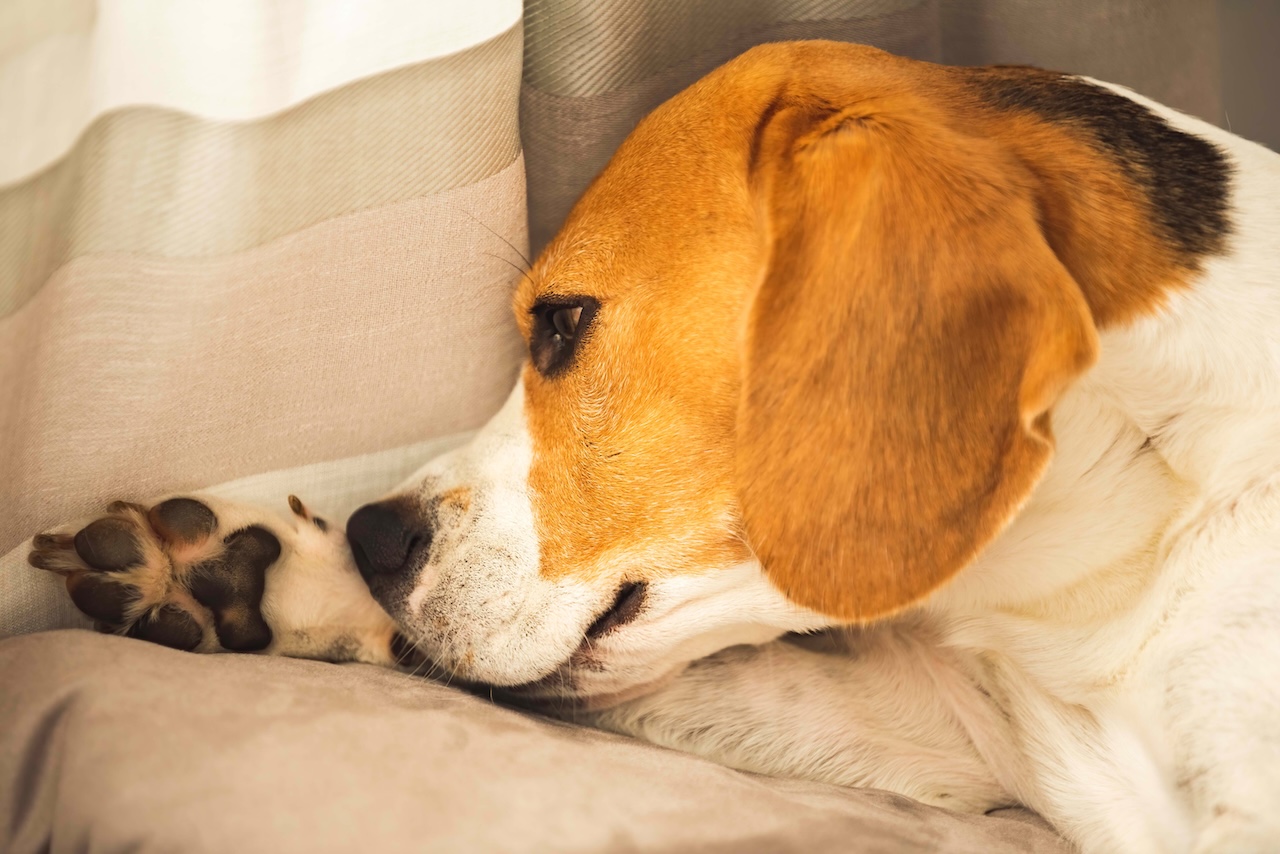
Some paw grooming is normal. Dogs lick to clean dirt, smooth fur, and self-soothe. Persistent licking that stains the fur, breaks the skin, or wakes you up at night is not normal. According to VCA Animal Hospitals, persistent paw licking almost always has an identifiable medical or behavioral cause and rarely resolves without intervention.
The five causes ranked by frequency:
- Environmental allergies (atopic dermatitis)
- Food allergies
- Yeast or bacterial infection (often secondary to allergies)
- Anxiety or compulsive behavior
- Pain, injury, or foreign object
Many dogs have two of these stacked. Allergies cause itching, the dog licks, the moisture creates infection, the infection causes more itching. Treating only one piece won't break the cycle.
Environmental Allergies
The most common cause. Pollen, grass, mold, and dust mites land on paws during walks and trigger allergic skin reactions. The dog licks to relieve the itch, which spreads the allergen further into the skin and creates a cycle.
How to spot it:
- All four paws affected, especially after walks
- Often paired with body-wide itching, ear infections, or face rubbing
- Seasonal flares in spring and fall
- Worsens after time outdoors
Environmental allergies often show up alongside general body-wide itching; the same trigger drives both.
Food Allergies
Food allergies cause about 10 to 15 percent of canine itching, including paw licking. The most common triggers are chicken, beef, dairy, wheat, and egg. Grain-free diets are not a guaranteed fix because most food allergies are to protein, not grain.
How to spot it:
- Year-round, not seasonal
- Often includes recurring ear infections
- May include GI symptoms (loose stool, gas, vomiting)
- Doesn't improve with paw wiping
Yeast or Bacterial Infection
Constant moisture between toes from licking creates ideal conditions for yeast (Malassezia) and bacteria (Staphylococcus) to colonize. Once established, the infection itself causes itching, which causes more licking. The cycle escalates fast.
How to spot it:
- Yeasty or musty smell, especially between toes
- Brown or rust-colored gunk between toe pads
- Red, inflamed skin
- Possible hair loss between toes
- Worse in humid weather
The Cornell Riney Canine Health Center identifies secondary yeast and bacterial infections as a near-universal complication of chronic atopic dermatitis in dogs.
Anxiety or Compulsive Behavior
Some dogs lick paws because they are anxious, bored, or stressed. The repetitive motion releases endorphins, which becomes self-reinforcing. This is closer to nail-biting in humans, a coping mechanism that becomes a habit.
How to spot it:
- Licking happens during inactive time (lying down, watching you leave)
- No skin redness or smell early on
- Often paired with other anxiety signs: excessive barking, panting, pacing, destruction
- Worsens with changes in routine
Pain, Injury, or Foreign Object
Sudden onset licking on one specific paw almost always means localized pain or something stuck. Common culprits: a grass seed (foxtail), splinter, ice melt burn, cracked pad, broken nail, cut, or insect sting. Foxtails especially can migrate deep into tissue and cause serious infection if not removed.
In older dogs, sudden new licking can also signal arthritis pain referred to the paws or joint pain causing the dog to lick that area for relief.
7-Day Paw Licking Diagnostic
Inspect the Paws
Look between every toe. Check for redness, swelling, broken skin, foreign objects. Smell them. Yeasty or musty smell points to infection.
Start Wipe-Down Routine
Wipe paws with damp cloth or pet-safe wipes after every walk. Removes allergens, salt, and irritants.
Add Omega-3 Fish Oil
20 to 55 mg EPA/DHA per pound daily. Reduces inflammatory itching over 4 to 6 weeks.
Add Enrichment if Anxiety-Driven
Replace 30 percent of meals with puzzles. Add training and a sniff walk. Anxious dogs lick less when mentally engaged.
Treat Visible Infection
Medicated wipes, chlorhexidine soak (1 min, dry thoroughly), or vet treatment. Don't skip drying.
Use a Cone if Needed
Persistent licking causing damage requires a cone or recovery suit while treating cause. Healing requires interruption.
Decide
Improving? Continue 4 to 6 weeks. Skin broken, smelly, swollen, or no improvement? Vet visit.
What Not to Do
- Do not apply human creams (hydrocortisone, antibiotic ointment, antifungal) without vet approval. Many are toxic when licked.
- Do not use bitter sprays as your primary fix. They suppress symptoms without addressing cause.
- Do not leave a dog with broken paw skin unconed. Continued licking prevents healing.
- Do not assume "grain free" food fixes food allergies. Most are protein-related.
- Do not ignore a yeasty smell. Infection rarely resolves without treatment.
- Do not let licking go past 7 to 10 days without a vet visit.
Frequently Asked Questions
Five common causes: environmental allergies, food allergies, yeast or bacterial infection, anxiety, or pain. Allergies are most common. Location and pattern give the fastest clue.
Saliva contains porphyrin, a pigment that stains light fur reddish-brown. Persistent staining means weeks of licking. The stain is harmless but confirms chronic licking.
Identify the cause first. Wipe paws after walks. Add omega-3. Check for yeast. Add enrichment for anxiety. Cone if causing damage. Vet visit if no improvement in 7 to 10 days.
Yes. Constant moisture between toes creates ideal conditions for yeast and bacteria. Telltale signs are a musty smell, brown gunk between toes, and red inflamed skin.
If licking lasts more than 7 to 10 days, paws are red or swollen, you smell yeast, the dog limps, or skin is broken. Sudden licking on one paw can mean a foreign object.
Often. Pollen, grass, and mold from walks accumulate on paws. Spring or fall flares point to environmental allergies. Wiping paws after every walk dramatically helps.
Yes. About 10 to 15 percent of itching cases. Top triggers: chicken, beef, dairy, wheat, egg. Year-round (not seasonal) licking points more toward food. 8-week elimination diet confirms.
The Bigger Picture
Paw licking is a symptom, not a diagnosis. The fix is finding what's actually triggering it: allergies, infection, anxiety, or pain. Once you address the cause, the licking stops. Most chronic paw lickers also show up with other unresolved issues. Many scratch their bodies, bark from the same anxiety, or had setup issues from day one (the new puppy mistakes guide covers diet and bedding choices that prevent allergies from starting).
Every dog has different allergy triggers, skin sensitivities, and supplement needs. A Bulldog with skin folds needs different products than a Husky with seasonal allergies. PawMatch AI factors in your dog's full profile and matches them to the food, supplements, paw care products, and grooming that fit dogs like yours.
Stop Guessing. Get Matched.
Every dog has different allergy triggers and skin needs. PawMatch AI uses your dog's breed, age, and environment to recommend the exact paw care, supplements, and food that work. Free, personalized, takes 30 seconds.
Find My Dog's Match →Enjoyed this article?
Share it with another pet parent.