Puppy Biting Hands and Feet? The Land Shark Phase Fix in 14 Days
Puppy biting is normal developmental behavior, not aggression. Find the trigger, redirect the right way, and most puppies show major reduction inside two weeks.
Puppies bite hands, feet, ankles, sleeves, and pant legs because of four overlapping drivers: teething pain, normal play and bite inhibition learning, overtired impulse loss, and prey or herding drive triggered by movement. The behavior is biologically expected from about 8 to 20 weeks and usually resolves by 6 months with consistent redirection. The fastest fix is more sleep, scheduled naps, immediate redirection to a chew or tug toy, and calmly removing attention when the bite is too hard. Most owners see clear improvement within 14 days.
Why Puppies Bite Everything
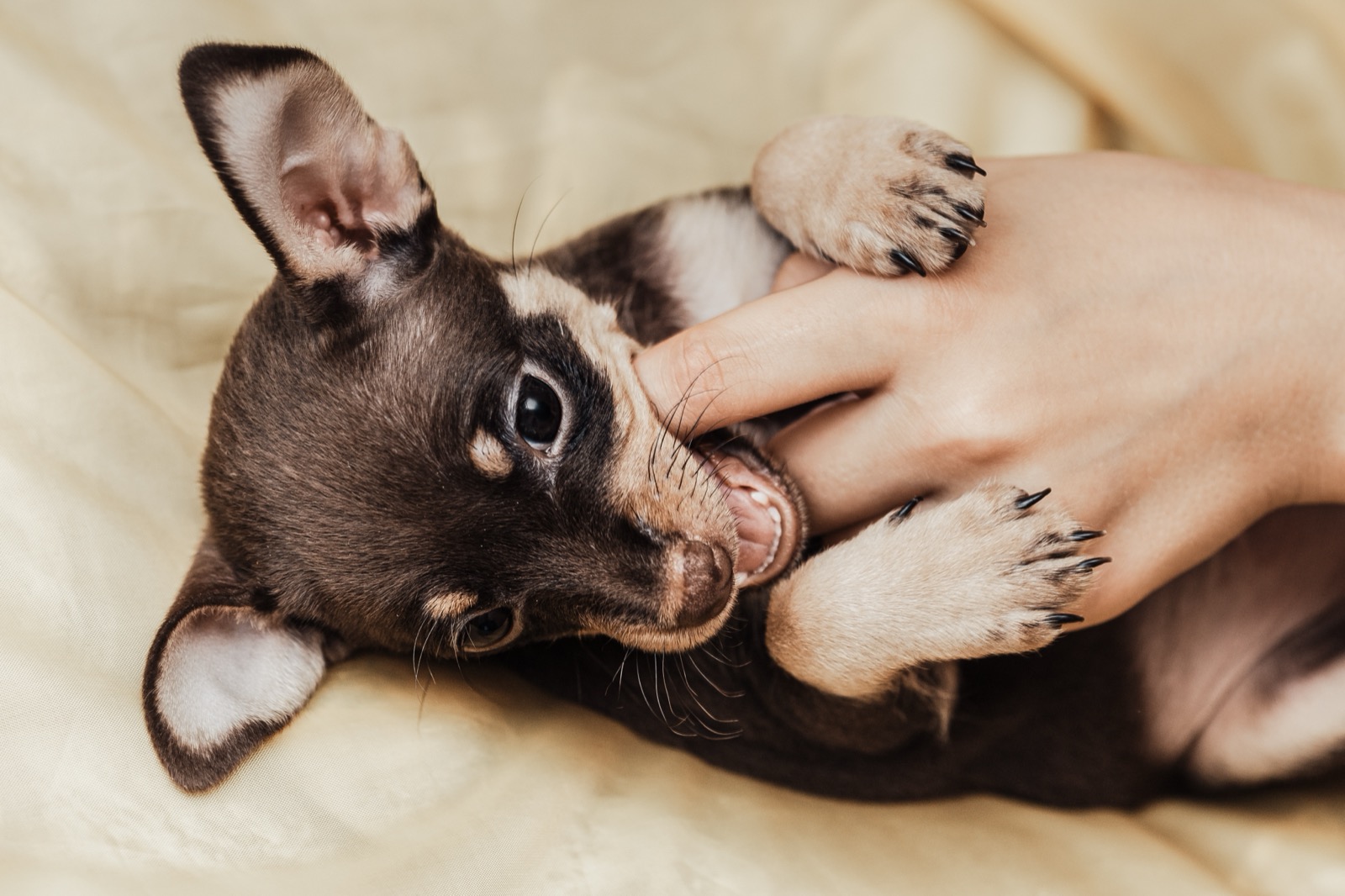
The first thing to understand is that biting is not aggression. The American Kennel Club calls the 8 to 16 week period the "land shark" phase because puppies investigate their world primarily with their mouths, the way human babies investigate with their hands. A puppy that never mouthed anything would actually be developmentally behind.
What you want to identify is which of these four drivers is producing the worst bites in your puppy. The fix for each is slightly different:
- Teething pain and gum inflammation
- Normal play and bite inhibition learning
- Overtired meltdowns (the witching hour)
- Prey drive or herding drive triggered by moving body parts
A fifth, smaller cause exists too: undersocialization. Puppies that were separated from their litter before 7 weeks of age missed the bite inhibition lessons their littermates would have taught them, and they tend to bite harder and longer than puppies raised in healthy litters.
Teething and Gum Inflammation
Puppy teeth erupt around 3 to 4 weeks, the deciduous (baby) teeth come in by about 8 weeks, and the adult teeth replace them between 12 and 30 weeks. The most painful phase is usually 12 to 20 weeks, when the adult premolars and molars push through inflamed gums. The puppy is in actual physical pain and chewing on something firm relieves it.
Signs teething is the biggest trigger:
- Puppy is 12 to 20 weeks old
- You find baby teeth on the floor or in chew toys
- Light blood spots on toys, blankets, or your hand
- Bites are deep and persistent rather than nipping
- Puppy seeks out cold surfaces (tile floor, refrigerator side, freezer door)
Normal Play and Bite Inhibition Learning
In a healthy litter, puppies bite each other constantly during play. The other puppy yelps when bitten too hard, and play stops. Over thousands of reps, the biting puppy learns that softer mouth pressure keeps the game going. This is called bite inhibition, and it is the single most important behavioral skill a dog learns. The VCA Animal Hospitals reference flags it as the foundation of safe adult dog behavior.
Signs play biting is the driver:
- Puppy bites during interaction with you, not during rest
- Body is bouncy, tail wagging, play bow posture
- Bites lighten if you slow down or freeze
- Puppy backs off when you stop the game
- Mostly hands, sleeves, and pant legs rather than ankles
Overtired Meltdowns
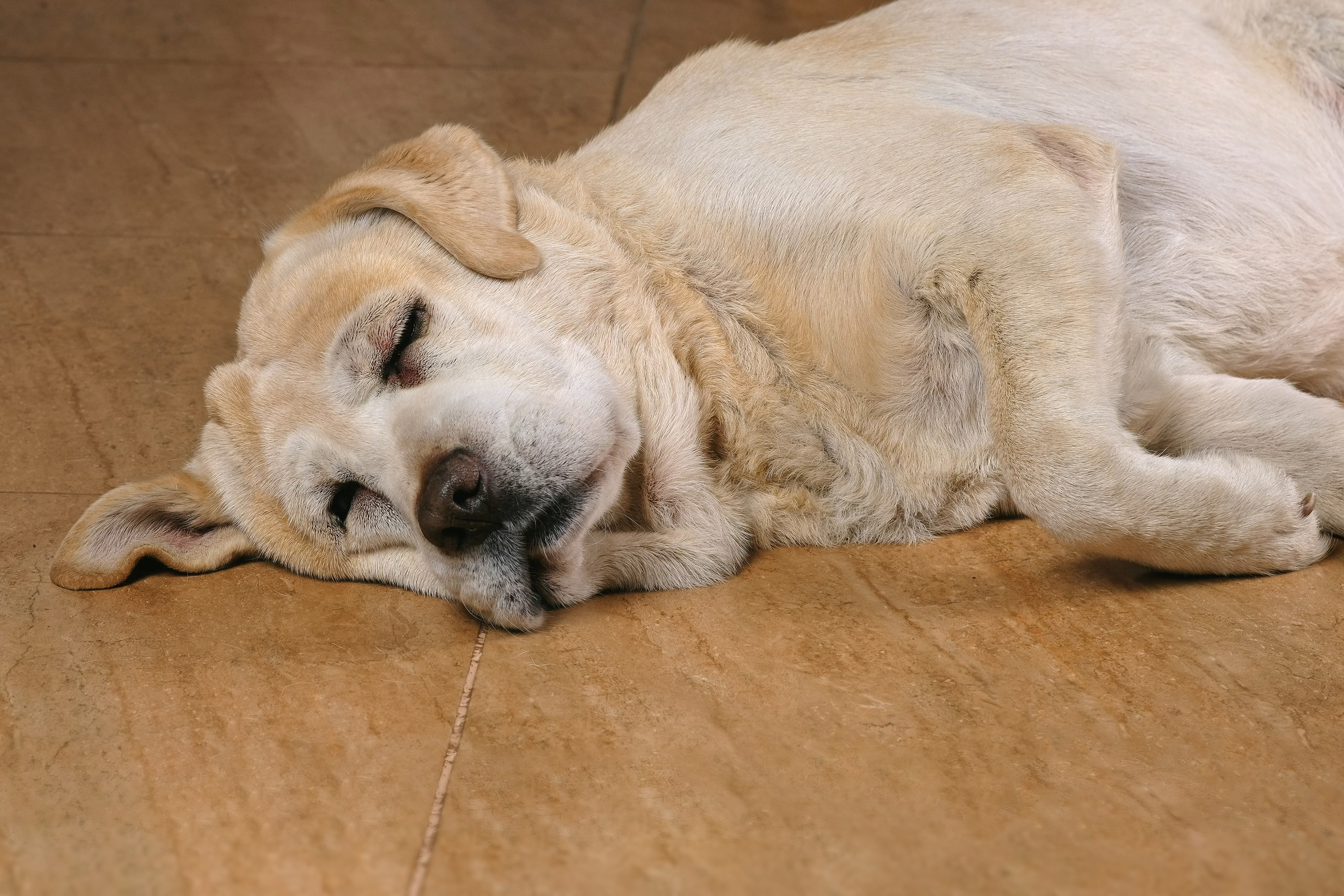
This is the cause most owners miss. Puppies under 4 months need 18 to 20 hours of sleep per day. Adult dogs sleep 12 to 14 hours. Owners often assume the puppy "wants to be up" and let them stay awake, but an overtired puppy looks identical to a hyper puppy: wild eyes, racing around, biting everything, ignoring cues. Trainers call the late afternoon or early evening version the witching hour.
Signs overtired meltdown is the driver:
- Biting escalates sharply at predictable times of day
- Puppy has been awake more than 2 hours
- No previous warning, sudden hyper-aggressive mouth
- Calms down within 15 minutes of being put in a quiet crate
- Returns to normal mouthing levels after a real nap
Prey Drive or Herding Drive (Ankles and Feet)
Ankle biting is a different beast from hand biting. Hands look like toys. Feet look like prey. When you walk, run, or move quickly, the foot triggers a chase-grab reflex that is hardwired in dogs, especially herding breeds. Border Collies, Australian Shepherds, Cattle Dogs, and Corgis are famous for it. So are terriers and any dog with strong working line genetics. The ASPCA notes that movement-triggered nipping in herding breeds requires structured outlets, not just suppression.
Signs prey or herding drive is the driver:
- Biting concentrated on ankles, pant legs, and feet
- Worst when you walk, run, or move suddenly
- Stalking, crouching, or fixed staring before the bite
- Herding or terrier breed
- Often paired with circling behavior
14-Day Plan to End the Land Shark Phase
Audit the Schedule
Write down every awake window for the day. If any are over 2 hours, you have your first fix. Cap them at 90 minutes for the first week.
Set Up Enforced Naps
Crate or pen, covered, in a quiet room. Every 90 minutes of awake time, the puppy goes in for at least 30 minutes whether they think they need it or not.
Stock the Chew Rotation
Three to five legal chew targets within arm's reach in every room you spend time in. Frozen Kong, rubber teething toy, rope toy, dental chew, flirt pole. Boring chew choices fail.
Start the Ouch and Pause Drill
Every time teeth hit skin too hard, mark with a sharp ouch (if it works) and stand up. Leave the room for 30 seconds. Return calmly. Restart only if the puppy is settled.
Redirect, Redirect, Redirect
Carry a tug toy in your hand or pocket all day. The moment a bite starts, the toy appears. Reward any tooth-on-toy contact with continued play. Reward any tooth-on-skin with calm departure.
Add 10 Minutes of Training Reps
Sit, down, hand target, place. Mental work drains the brain in a way that random biting cannot. A trained brain is a calmer brain.
Check the Body Language
Are you spotting overtired warning signs before the bites start? Glazed eyes, frantic running, suddenly biting harder. If yes, intercept with a nap. If no, watch more closely.
Tighten the Loop
Repeat the redirection and pause cycle hundreds of times. Puppies learn through repetition, not through one perfect lesson. Expect setbacks. Stay consistent.
Add the Impulse Control Test
Hold a treat in a closed fist. Wait until the puppy backs off the hand. Open and feed. Repeat. This builds the off-the-hand habit.
Stretch the Awake Windows
If the puppy is sleeping well and biting has dropped, try a 2 hour awake window. Watch for witching hour signs and adjust.
Decide
Major improvement? Continue the schedule for 4 to 8 more weeks until adult teeth are fully in. No improvement and your puppy is over 16 weeks? Add a force-free puppy class with a credentialed trainer (CPDT-KA, KPA-CTP, or VSPDT).
What Not to Do
- Do not hit, smack, swat, or "alpha roll" the puppy. It produces fearful biting and worsens the problem within a week.
- Do not grab the muzzle, hold the mouth shut, or stick fingers down the throat. These are documented to increase reactive biting later.
- Do not yell. Puppies read yelling as exciting human-noise and many bite harder in response.
- Do not let kids chase the puppy or play rough hand games. Hand games train hand biting.
- Do not let the puppy nap on the couch or your lap during the witching hour. The puppy needs a real crate nap, not a half-rest with stimulation.
- Do not skip dental chews and frozen relief during teething weeks. Pain biting will dominate every other strategy.
- Do not assume the puppy "knows better." A 14 week old puppy is biologically incapable of consistent impulse control. You are training across thousands of reps.
Frequently Asked Questions
Puppies between 8 and 20 weeks bite because of teething pain, normal play exploration, overtired meltdowns, and herding or prey drive triggered by moving body parts. Hands look like toys and feet look like prey. This phase is biologically normal and typically resolves by 6 months with consistent redirection.
Yes. The land shark phase from roughly 8 to 16 weeks is normal puppy development. Puppies learn bite inhibition by mouthing littermates, then humans. A puppy that never bites has actually missed a developmental step. The goal is teaching softer mouth pressure and redirection onto toys, not zero biting.
Most puppies show major reduction in biting by 5 to 6 months once adult teeth are in and bite inhibition has been trained. Some breeds, especially herding and working breeds, can mouth lightly until 9 to 12 months. Consistent redirection over 2 to 4 weeks usually produces visible improvement.
Ankle biting is prey drive triggered by movement. Stop moving the second they bite, redirect to a long tug toy or flirt pole, and reward them for following the toy instead of your feet. Slow walking and avoiding running away from the puppy both reduce the trigger. Herding breeds need especially heavy redirection.
Yelping works for some puppies and excites others into biting harder. If a single sharp ouch makes your puppy back off, use it. If it escalates the puppy, switch to immediate calm removal: stand up, walk out of the room for 30 seconds, return. Removing your attention is more reliable than vocalizing.
Yes. Teething typically peaks between 12 and 20 weeks when adult teeth are erupting. Gums are inflamed, the puppy chews harder for relief, and biting on hands feels more aggressive even though the motivation is pain relief. Frozen wet washcloths, frozen rubber toys, and cold carrots provide safe relief.
Overtired puppies cannot regulate impulses. The bite reflex amplifies and the puppy spirals into what trainers call witching hour, usually in late afternoon or evening. The fix is more sleep, not more exercise. Puppies under 4 months need 18 to 20 hours of sleep a day and enforced nap breaks every 1 to 2 hours of awake time.
Yes. Herding breeds (Border Collies, Australian Shepherds, Cattle Dogs), terriers, and high drive working breeds (Malinois, German Shepherds) bite harder and longer than average. Their genetic wiring favors mouth use. Plan for a longer training timeline, more mental enrichment, and structured outlets like flirt pole work.
True aggression is rare in young puppies and looks different from play biting. Warning signs: bites with no play body language, growl-snap-bite sequences, biting when approached during food or rest, fixed body, no recovery time. If you see those, work with a credentialed force-free trainer or veterinary behaviorist immediately.
The Bigger Picture
The land shark phase is the most predictable developmental stage in dogs, and it ends. The work you do now compounds. A puppy that learns bite inhibition by 6 months becomes an adult dog with a soft mouth in any situation, which is the single best insurance policy against a bite incident later in life. Most biting cases come back to skipped naps and missing chew rotation, both of which trace to the first-week setup mistakes that put owners on the wrong foot from day one. Vocal puppies that bark while biting often need the excessive barking protocol layered on top of the redirection plan. Hard-chewing puppies destroy toys fast, so a starter set of indestructible chew toys keeps a legal target available when the bite reflex hits. And puppies that shadow you while biting are doing two things at once. Cross-check with the guide on why dogs follow you everywhere for the bonding side of the picture.
Every puppy bites differently based on breed, age, and household setup. PawMatch AI factors in your puppy's breed, age, energy, and chew style to recommend the exact teething toys, chew rotation, and training tools that fit. Free, takes 30 seconds.
Stop Guessing. Get Matched.
Every puppy is different. PawMatch AI uses your puppy's age, breed, energy, and chew style to recommend the exact teething toys, chew rotation, and training tools that help with the land shark phase. Free, personalized, takes 30 seconds.
Find My Dog's Match →