Budgie Plucking Feathers? The 5 Real Causes and How to Stop It Fast
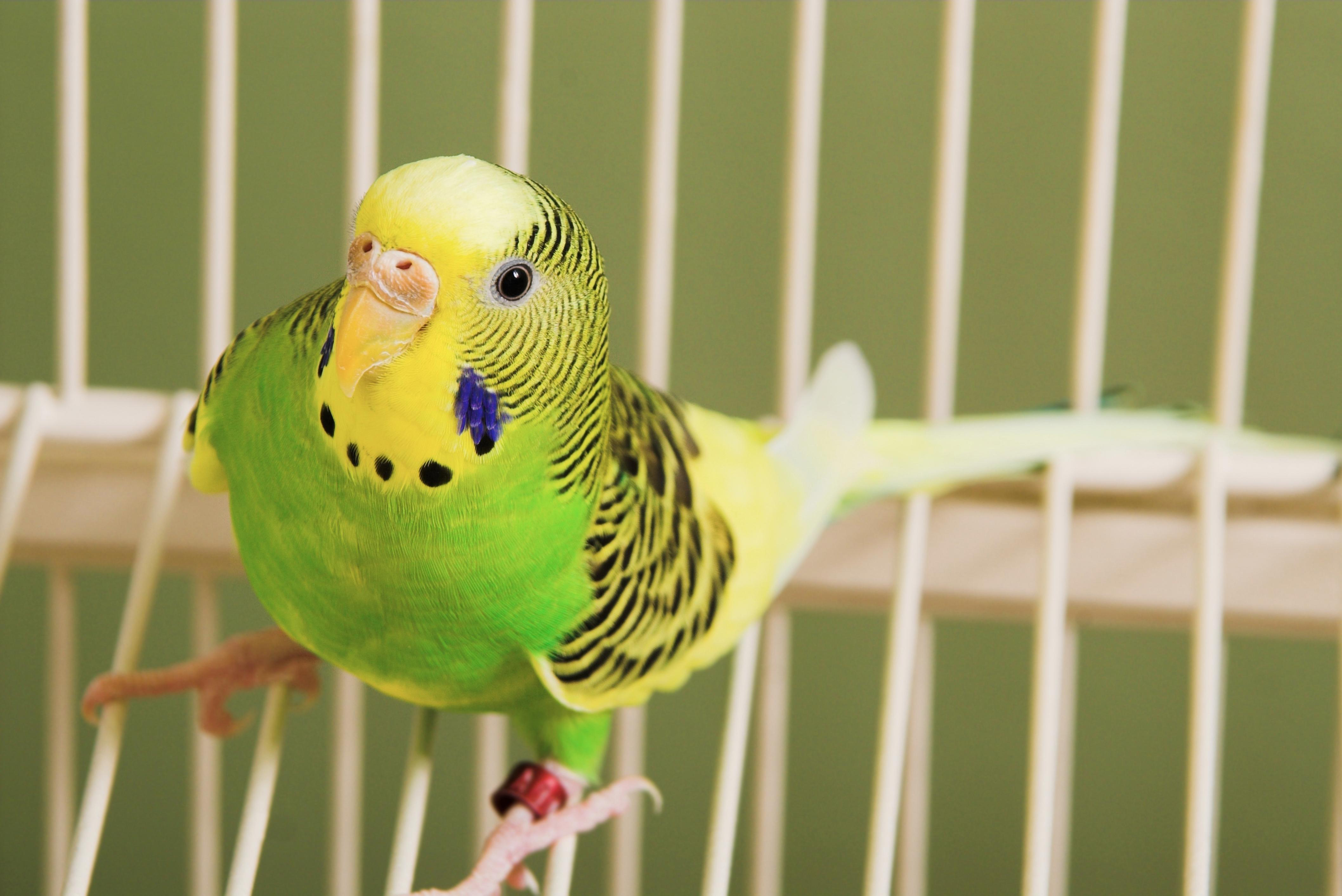
Plucking is almost never random. It is your budgie telling you something is wrong with the cage, the diet, the schedule, or its body. Five causes account for nearly every case, and most resolve within 3 to 6 weeks once you find the right one.
Budgie plucking has five common causes: boredom and lack of foraging, parasites or skin disease, hormonal stress, dietary deficiency, and environmental triggers like dry air or cage location. Roughly 30 percent of companion parrots pluck at some point in their lives, and budgies are no exception. The fix is almost always rebuilding the bird's day, not punishing the behavior. Most cases improve in 3 to 6 weeks if you find the right driver and address it directly.
Why Budgies Pluck
Plucking is a self-directed behavior where a budgie pulls out, chews, or breaks its own feathers. It usually starts in reachable areas like the chest, the inside of the thighs, under the wings, and along the back. The head is the one place a bird cannot reach with its own beak. If you see a bare head, suspect a cagemate, a feather cyst, or PBFD instead.
The five most common causes of feather plucking in budgies, ranked by frequency in companion bird clinics:
- Boredom and lack of foraging opportunities
- Skin parasites, mites, or bacterial or fungal skin disease
- Hormonal frustration during breeding cycles
- Dietary deficiency from seed-only or low-variety diets
- Environmental stress from cage location, dry air, light cycle, or loud noise
The Association of Avian Veterinarians treats feather destructive behavior as a multifactorial syndrome, which means most plucking budgies have two or three causes stacked. A bored bird on a seed diet in a small cage by a window pulls feathers faster than any single cause would produce.
Boredom and Lack of Foraging
Wild budgies in Australia spend 6 to 8 hours every day searching for food, flying, social calling, and exploring. Pet budgies finish a bowl of seed in 15 minutes and stare at the wall for the other 14 hours. The brain that evolved for nonstop foraging turns inward and starts grooming itself to excess, which is how plucking begins.
Boredom plucking usually starts on the chest and the inside of the thighs because those are the easiest spots to reach during idle grooming. It tends to be slow and steady rather than frantic, and the bird may seem otherwise calm.
Signs boredom is the trigger:
- Plucking is symmetrical on chest, thighs, or back
- Bird sits still for long periods without playing
- Cage has fewer than 6 toys, or the same toys for months
- Food is offered in a bowl with no foraging effort required
- Bird is alone in the cage for more than 8 hours a day with no human contact
Skin Mites, Parasites, or Skin Disease
The most overlooked cause and the one a vet rules out first. Scaly face mites (Knemidocoptes) cause crusty white buildup around the cere, beak, eyes, legs, and vent. Bacterial or fungal skin infections cause itchy, inflamed, sometimes greasy skin. Giardia can produce skin irritation as a secondary sign. Each of these makes the bird itch, and a budgie that itches pulls feathers to relieve it.
VCA Animal Hospitals treats parasite and dermatologic workup as the first step in any plucking case because medical causes will not respond to behavioral fixes.
Signs parasites or skin disease are the trigger:
- Crusty buildup on cere, beak, or legs
- Red, flaky, or greasy skin under the plucked areas
- Sudden onset of plucking without a schedule or cage change
- Bird scratches at face or feet more than usual
- Multiple budgies in the same cage start plucking together
Hormonal Frustration
Budgies reach sexual maturity around 6 to 12 months and cycle into hormonal seasons annually, often triggered by long daylight, mirrors, soft fluffy toys, dark nesting spots, and high-fat or high-carb food. A hormonal budgie that cannot complete the breeding cycle becomes frustrated, agitated, and prone to feather destruction, especially around the vent and chest.
Signs hormones are the trigger:
- Plucking concentrated on chest, vent area, or thighs
- Excessive regurgitation onto a mirror, toy, or owner
- Tail flipping, vent rubbing on perches, or wing flutter displays
- Increased aggression or biting
- Plucking that started or worsened in spring or after the bird got more daylight
Dietary Deficiency
Seed-only diets are deficient in vitamin A, calcium, and several amino acids required for keratin production. Budgies on millet and seed mixes show dull, brittle feathers, slow molts, and a higher plucking rate than budgies on a balanced diet. Vitamin A deficiency in particular causes flaky skin and follicle dysfunction that triggers self-grooming to excess.
The Merck Veterinary Manual lists nutritional disease as a routine driver of poor feather quality and feather destructive behavior in pet psittacines.
Signs diet is the trigger:
- Current diet is more than 50 percent seed
- Feathers look dull, frayed, or break easily
- Skin under plucked spots looks dry or flaky
- Cere color is pale or unusual
- Long molts that drag on for months
Environmental Stress
The last big category. Dry indoor air pulls moisture from feathers and skin, which itches. A cage in a high-traffic hallway or next to a TV gives the bird no rest. Cage by a window that shows predators (cats, hawks) keeps the bird in chronic alert mode. Long daylight from artificial lights past sundown disrupts the natural cycle. Loud or sudden noises during the day raise baseline stress.
Signs environment is the trigger:
- Indoor humidity below 40 percent (dry climates, winter heating)
- Cage located in a high-traffic, loud, or chaotic room
- Cage visible to outdoor windows showing predators
- Lights on past 8 to 10 pm regularly
- Plucking worsens during specific times of day or after specific events
21-Day Plan to Stop Budgie Plucking
Document Baseline
Photograph the bird from front, sides, and back. Take a 24 hour video sample to catch plucking episodes. Note diet, cage location, light schedule, and current enrichment count.
Book Avian Vet
Book an avian vet appointment. Even if you think you know the cause, rule out medical first. Ask for skin scrape, feather pulp exam, fecal float, and PBFD test.
Start Diet Transition
Add pellets next to the seed bowl. Begin chopped vegetable offering at the same time daily so the bird associates fresh food with morning routine.
Inventory Toys
Count active toys in the cage. If under 8, order a mix of shredding, foraging, foot, and bell toys. Aim for 12 in rotation.
Convert to Foraging
Wrap pellets and millet pieces in paper, put in a cardboard tube, and place inside a foraging box.
Move Cage if Needed
Calm room, eye level or slightly below, away from kitchen fumes, no direct sun, no predator window views.
Set Light Cycle
Same cover time every night, same uncover time every morning. 12 hours dark, 12 hours light. No exceptions.
Out-of-Cage Time
Start with 30 minutes and build to 2 to 4 hours by day 14. Use a play stand or bird-proof room.
Vet Results Review
Treat any parasites or infections identified. Adjust diet based on any deficiencies.
Rotate Toys
Pull half, add new ones. The bird should look engaged, not stuck staring at the wall.
Bathing Routine
Begin misting or shallow bathing 3 times a week. Most budgies love a spray bottle mist. Use lukewarm water.
Reassess
Take new photos and video. Plucking should be visibly reduced. New pin feathers should be visible in old plucked areas if follicles are intact. If no change, return to vet for advanced workup including blood panel and PBFD recheck.
What Not to Do
- Do not use a "no pluck" spray or bitter feather spray. Most are useless, some are toxic when preened, and they do nothing for the underlying cause.
- Do not put a collar or cone on a budgie without veterinary direction. Collars can cause weight loss, depression, and skin lesions in small birds.
- Do not punish or yell. Plucking is anxiety driven. Punishment makes it worse.
- Do not assume it is just molting if you see bald skin. Molting is even, not patchy.
- Do not add a second budgie as a fix until you have quarantined for 45 days and PBFD tested.
- Do not skip the avian vet. General vets often miss avian-specific diseases.
- Do not give up at week 2. Most cases need 4 to 8 weeks before clear improvement.
Frequently Asked Questions
Molting produces evenly scattered pin feathers and small dropped feathers across the cage floor with no bald patches. Plucking produces clear bald areas, usually on the chest, thighs, or under the wings where the bird can reach. Heads are never plucked by the bird itself. If you see bare skin patches in reachable areas, it is plucking, not molting.
Plucking alone rarely kills a budgie, but self-mutilation can escalate to skin damage, infection, and chronic blood loss from broken blood feathers. Untreated plucking also signals an underlying medical or welfare problem that may itself be dangerous. Plucking that breaks skin needs an avian vet within 48 hours.
Yes in most cases, but only if the underlying cause is resolved and the follicles are still intact. Chronic plucking over months or years scars the follicle, and those feathers never return. Stopping the behavior early gives the best chance of full regrowth in 6 to 12 weeks.
Psittacine Beak and Feather Disease is a viral illness that causes abnormal feather growth, breakage, and loss in budgies and other parrots. Any budgie with persistent feather loss, especially with abnormal feather shape or beak changes, should be PBFD tested by an avian vet. Testing uses a simple blood or feather sample.
Yes. Boredom is one of the top three causes of plucking in pet budgies. A bird with nothing to do and no foraging opportunities turns its grooming behavior on itself. Adding 4 to 6 hours of structured foraging and rotating enrichment toys stops boredom plucking in many cases within 3 to 4 weeks.
Scaly face mites cause crusty buildup around the cere, beak, and eyes. Feather mites are rare in budgies but possible. A vet can diagnose mites in minutes with a quick exam. If the only sign is plucking with no visible crust or skin changes, mites are unlikely but should still be ruled out.
Heavily. Seed-only diets are deficient in vitamin A, calcium, and amino acids needed for healthy feather growth. Budgies on all-seed diets show plucking and poor feather quality at much higher rates. Switching to a pellet base with fresh vegetables improves feather condition over 60 to 90 days.
Within 1 to 2 weeks of noticing persistent plucking. A vet can rule out skin infections, mites, PBFD, polyomavirus, organ disease, and heavy metal toxicity. The longer you wait, the harder behavioral plucking is to reverse because it becomes habit-driven.
Sometimes, if isolation was the cause. A bonded second budgie reduces loneliness-driven plucking in many cases, but it does not fix medical causes, cage problems, or established habit plucking. Always quarantine new birds for 45 days and test for PBFD before introducing.
The Bigger Picture
Plucking budgies are almost always birds in setups that do not match what their species needs. Foraging, diet, light cycle, and enrichment fix the majority of cases, and an avian vet workup catches the rest. The same pattern repeats across the bird world. Birds that scream all day are responding to the same root problems with their voice instead of their beak. Cockatiels that hiss communicate stress in their own dialect. The shared driver is a bird whose day does not match its biology, and the fix is rebuilding the day.
If your budgie is plucking, recognizing the signs of pet boredom early is the difference between a 3 week fix and a 3 month one. Every species has different cage, foraging, and enrichment needs, and a budgie setup looks nothing like a cockatiel or conure setup. PawMatch AI factors in your bird's species, age, environment, and current diet to recommend the exact pellets, foraging toys, and enrichment that fit. Free, takes 30 seconds.
Stop Guessing. Get Matched.
Every bird is different. PawMatch AI uses your budgie's species, age, environment, and current diet to recommend the exact pellets, foraging toys, and enrichment that fit. Free, personalized, takes 30 seconds.
Find My Bird's Match →