Goldfish Sitting at Bottom of Tank? The 5 Real Causes and How to Fix Them
A goldfish parked on the gravel is not relaxing. It is sick or distressed. Five causes drive almost every case. Identify yours fast and most fish recover inside a week.
Goldfish sit at the bottom of the tank for five reasons: ammonia or nitrite poisoning, swim bladder disorder from overfeeding or constipation, water that is too cold for the species, parasitic or bacterial infection, or stress from new tankmates, recent water changes, or aggression. The first move is always a liquid water test. Ammonia and nitrite cause the majority of bottom-sitting cases, especially in tanks under 6 months old or in undersized setups. Most cases resolve within 3 to 7 days of correct treatment.
Why Goldfish End Up on the Bottom
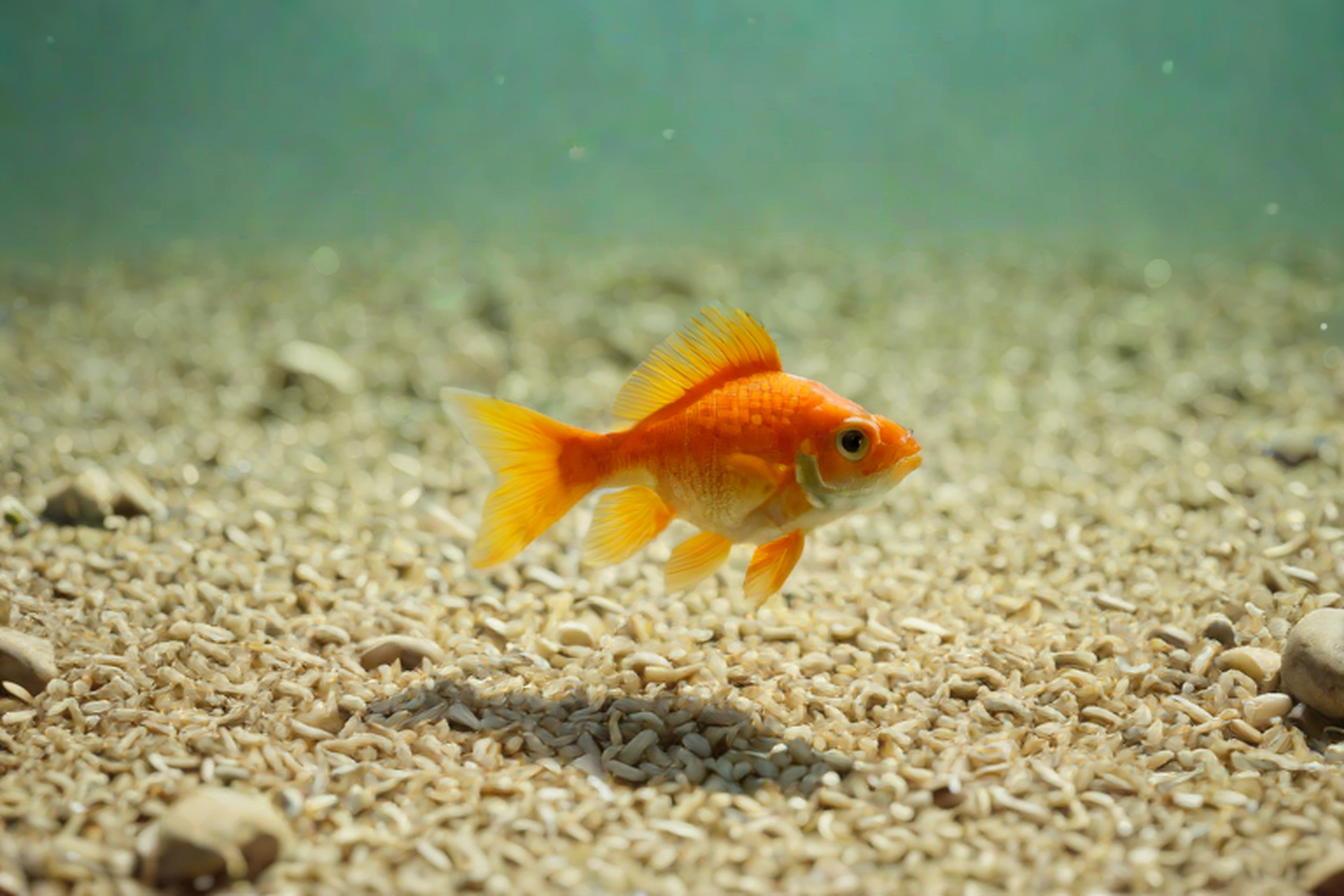
Healthy goldfish are active animals. They swim throughout the day, beg for food, dig in the substrate, and explore the tank. A goldfish that lays on the gravel for hours, sits in a corner, or rests on the bottom of a decoration is sending a clear distress signal. According to Cornell University veterinary references, bottom-sitting is one of the earliest behavioral signs of water quality problems and disease in goldfish.
The five causes, ranked by frequency:
- Ammonia or nitrite poisoning from undersized tank, poor filtration, or skipped cycling
- Swim bladder disorder from overfeeding, constipation, or fancy goldfish body shape
- Temperature too low for activity
- Bacterial infection, gill flukes, or other illness
- Stress from recent changes, aggression, or transport
The trap is that all five can look similar at first. Fish on the bottom, fins clamped, appetite reduced, color faded. The diagnosis comes from a liquid water test, a temperature check, and 5 minutes of observation. Goldfish are different from tropical fish in two important ways: they tolerate cooler water (down to 50 degrees for common goldfish) and produce massive amounts of waste, so ammonia and nitrite problems hit them harder and faster.
If the goldfish is gasping at the surface in addition to sitting on the bottom, treat it as a more advanced emergency and read the surface gasping protocol for the immediate aeration steps.
Ammonia or Nitrite Poisoning
The leading killer of pet goldfish. Goldfish produce enormous amounts of waste. A single fancy goldfish needs at least 20 gallons. The classic mistake is keeping one or two goldfish in a 5 or 10 gallon tank with an undersized filter. Ammonia accumulates faster than the biological filter can process. Even an established setup that gets stocked too heavily will crash.
Ammonia damages gill tissue and central nervous system function. Nitrite (the next step in the cycle) blocks oxygen from binding to fish blood. Both cause lethargy, bottom-sitting, gasping, and red gills. Bowl goldfish typically die from ammonia poisoning, not "old age," in 1 to 3 years instead of the natural 10 to 25. The RSPCA fish welfare guidance calls undersized goldfish housing the most common preventable cause of premature death in the species.
Signs ammonia or nitrite is the trigger:
- Tank is under 6 months old or recently restocked
- Tank is undersized for the goldfish (under 20 gallons per fancy, under 30 per common)
- Filter is rated below tank size or has not been serviced
- Recent water change with no dechlorinator
- Visible red streaks or pale areas on gills
- Liquid test reads ammonia above 0.25 ppm or nitrite above 0.5 ppm
- Cloudy water at the same time (often a co-symptom, see cloudy fish tank fix)
Swim Bladder Disorder
Swim bladder issues cause goldfish to lose buoyancy control. The fish sinks to the bottom, floats upside down at the surface, swims on its side, or struggles to maintain a horizontal posture. Fancy goldfish (orandas, ranchus, telescopes, ryukins) are especially prone because their compressed body shape puts pressure on the swim bladder.
The most common trigger is feeding. Floating pellets cause goldfish to gulp air at the surface, leading to bloat and buoyancy issues. Overfeeding causes constipation, which mechanically compresses the swim bladder. Sudden temperature drops also cause swim bladder dysfunction.
Signs swim bladder is the trigger:
- Fancy goldfish breed (oranda, ranchu, telescope, ryukin, etc.)
- Difficulty staying upright, swimming on side, or upside down
- Sinking to bottom and struggling back up
- Recent overfeeding or feeding only floating pellets
- Bloated or swollen appearance
- Otherwise alert behavior (eyes bright, responsive to movement)
- Water parameters test safe
Temperature Too Low
Goldfish are cold-tolerant compared to tropical fish, but they have limits. Fancy goldfish prefer 65 to 72 degrees Fahrenheit. Below 60, metabolism slows significantly. Below 50, fish enter near-dormancy and stop eating. In an unheated tank in a cold room, goldfish can drop to the bottom and stay there for hours each day as a metabolic response.
The other end matters too: above 78, dissolved oxygen drops and goldfish become stressed. A summer overheat event can push goldfish to the bottom from a different cause than winter chill.
Signs temperature is the trigger:
- Tank thermometer reads below 60 degrees for fancy goldfish or below 55 for common goldfish
- Room temperature recently dropped (winter, AC, drafty window)
- Heater failed or never installed
- Fish becomes more active when room warms up later in the day
- Reduced appetite
- Slow gill movement (not fast like in oxygen distress)
Bacterial Infection, Gill Flukes, or Other Illness
When water parameters test safe and temperature is correct but the goldfish is still on the bottom, the cause is likely disease. Common goldfish illnesses include bacterial infections (columnaris, dropsy, fin rot), parasitic infections (gill flukes, Ich, anchor worm), and viral infections.
Each illness has a signature presentation. Dropsy causes pinecone scales (scales protruding from the body). Fin rot causes ragged, decaying fins. Ich causes white salt-grain spots all over the body. Gill flukes cause clamped gills and excess mucus. Anchor worm causes visible thread-like parasites attached to the fish. Bacterial gill disease causes labored breathing and gill damage without obvious external parasites.
Signs illness is the trigger:
- Water parameters test safe, temperature correct
- Visible external signs (spots, sores, raised scales, ragged fins, parasites)
- Only one fish in the tank affected, others normal
- Recent new fish added without quarantine
- Decreased appetite, color fading
- Flashing or rubbing against decor before going to the bottom
Stress From Tankmates, Recent Changes, or Transport
Goldfish are social but also sensitive to disruption. Bottom-sitting can be a stress response to: aggression from another goldfish (males pursuing females during breeding), incompatible tankmates (fast-moving tropical fish in a goldfish tank), recent water changes that swung parameters, a recent move or transport, or major changes to tank decor.
A newly purchased goldfish often sits at the bottom for 24 to 72 hours as it adjusts to a new environment. This is normal if water parameters are safe and temperature is correct. If it persists past 72 hours, look for other causes.
Signs stress is the trigger:
- Fish recently purchased or moved (within 1 to 5 days)
- New tankmate added recently
- Recent water change, decor change, or filter replacement
- Other fish chasing or nipping the affected fish
- Water parameters test safe
- Temperature correct
- No external signs of illness
- Fish has periods of normal swimming interspersed with bottom-sitting
Diagnostic Protocol for a Goldfish on the Bottom
Observe
Watch the fish for 5 minutes. Note breathing rate (normal goldfish gill rate is 60 to 80 per minute), posture (upright vs tilted), responsiveness to movement near the tank, and any visible external signs.
Test Water
Liquid kit only. Ammonia, nitrite, nitrate, pH, temperature. Ammonia above 0.25 ppm: water change. Nitrite above 0.5 ppm: water change. pH swing more than 0.4: investigate water source. Temperature below 60 for fancy or above 78: temperature issue.
Check External Signs
White grain-like spots: Ich. Pinecone scales: dropsy. Ragged fins: fin rot. Bloated and floating sideways: swim bladder. Excess mucus on gills: gill flukes. Threads protruding from body: anchor worm.
Check Tank Conditions
Tank size: 20 gallons minimum per fancy goldfish, 30 per common. Filter: rated for at least 4 times tank volume per hour turnover for goldfish. Check tankmates for aggression. Identify any stressors in the last 7 days.
Act on Findings
Match treatment to diagnosis. Most goldfish recover within 3 to 7 days with correct treatment.
Treat
Daily water tests. Water changes as needed. Apply treatment matched to diagnosis. Stop feeding if ammonia is the cause.
Watch for Improvement
Fish should show improvement: more active, eating again, off the bottom for longer periods.
Resume Feeding
Resume normal feeding with smaller portions. Continue testing every other day.
Full Recovery
Full recovery in most cases. If still on the bottom, escalate to next most likely cause or consult an aquatic vet.
What Not to Do
- Do not assume goldfish are "supposed to" rest on the bottom. They are not.
- Do not do a 100 percent water change in a panic. Maximum 50 percent at a time.
- Do not use tap water without dechlorinator. Chlorine damages gills further.
- Do not feed during an ammonia emergency. Uneaten food makes it worse.
- Do not add new fish to a tank with a sick fish. Quarantine first.
- Do not raise the temperature dramatically. Maximum 2 degrees per hour.
- Do not add salt to fancy goldfish tanks without research. Some are sensitive.
- Do not medicate blindly. Diagnose first, treat second.
- Do not keep goldfish in bowls or undersized tanks. The bioload kills them eventually.
Frequently Asked Questions
Goldfish sit at the bottom for five main reasons: ammonia or nitrite poisoning, swim bladder disorder, water that is too cold, parasitic or bacterial infection, or stress from new fish, water changes, or aggression. A liquid water test is always the first step. Ammonia and nitrite cause the majority of cases in tanks under 6 months old.
No. Healthy goldfish swim actively throughout the day. Laying at the bottom for more than 30 minutes outside of nighttime sleep is abnormal and indicates a water quality, temperature, or health issue. Older goldfish may rest more, but they should still be active for feeding and exploration.
Test the water with a liquid kit. Ammonia above 0.25 ppm is dangerous. Visible signs include red or streaked gills, gasping at the surface, lethargy, sitting on the bottom, loss of appetite, and clamped fins. Do a 30 to 50 percent water change immediately with dechlorinated, temperature-matched water.
Swim bladder disorder makes goldfish float upside down, sink to the bottom, swim on their side, or struggle to stay upright. Fancy goldfish (orandas, ranchus, telescopes) are most prone. The cause is often overfeeding or constipation. Fast for 48 hours, then feed a thawed pea (skin removed) and feed small portions of sinking food going forward.
Fancy goldfish prefer 65 to 72 degrees Fahrenheit. Common goldfish tolerate 50 to 75 degrees. Below 55, metabolism slows and they become inactive. Above 78, oxygen drops and they become stressed. Use a heater in cold rooms and a fan or chiller in summer for stable temperature.
Yes, if you catch it early and identify the cause. Ammonia poisoning, temperature issues, and mild swim bladder disorder usually reverse within 3 to 7 days of correct treatment. Bacterial infections need antibiotic treatment and take 1 to 2 weeks. Long-term untreated cases have a much worse prognosis.
Fast breathing plus bottom-sitting points to gill damage or oxygen distress. The two most common causes are ammonia poisoning and gill flukes. Test water first. If parameters are safe, treat for gill parasites with praziquantel. Increase aeration with an air pump and airstone.
Hours to days depending on the cause. Acute ammonia poisoning kills within 24 to 72 hours if untreated. Chronic bottom-sitting from low temperature or mild illness can persist for weeks but degrades the fish's immune system and shortens lifespan. Treat as urgent the same day you notice it.
The Bigger Picture
A goldfish on the bottom of the tank is the equivalent of a dog collapsed in the corner of the room. It is the clearest signal a goldfish can give that something is wrong with its environment or its body. The five causes are all treatable when caught early. The most common one, by a wide margin, is ammonia poisoning from an undersized tank or filter. If you are losing goldfish repeatedly, the long-term answer is bigger water volume, better filtration, and better feeding discipline, not different medication. The full chronic-loss diagnostic is in our post on why fish keep dying. The cloudy water that often co-occurs with bottom-sitting is covered in the cloudy fish tank fix. If your goldfish is gasping at the surface as well as bottom-sitting, escalate to the emergency protocol in the surface gasping post.
Every tank is different based on size, filtration, livestock, and water source. PawMatch AI factors in your tank size, goldfish breed, and water source to recommend the exact filter, heater, test kit, and medication kit that fit. Free, takes 30 seconds.
Stop Guessing. Get Matched.
Every tank is different. PawMatch AI uses your tank size, goldfish breed, and water source to recommend the exact filter, heater, test kit, and medication kit that fit. Free, personalized, takes 30 seconds.
Find My Fish's Match →