Fish Gasping at Surface? What It Means and How to Fix It Fast
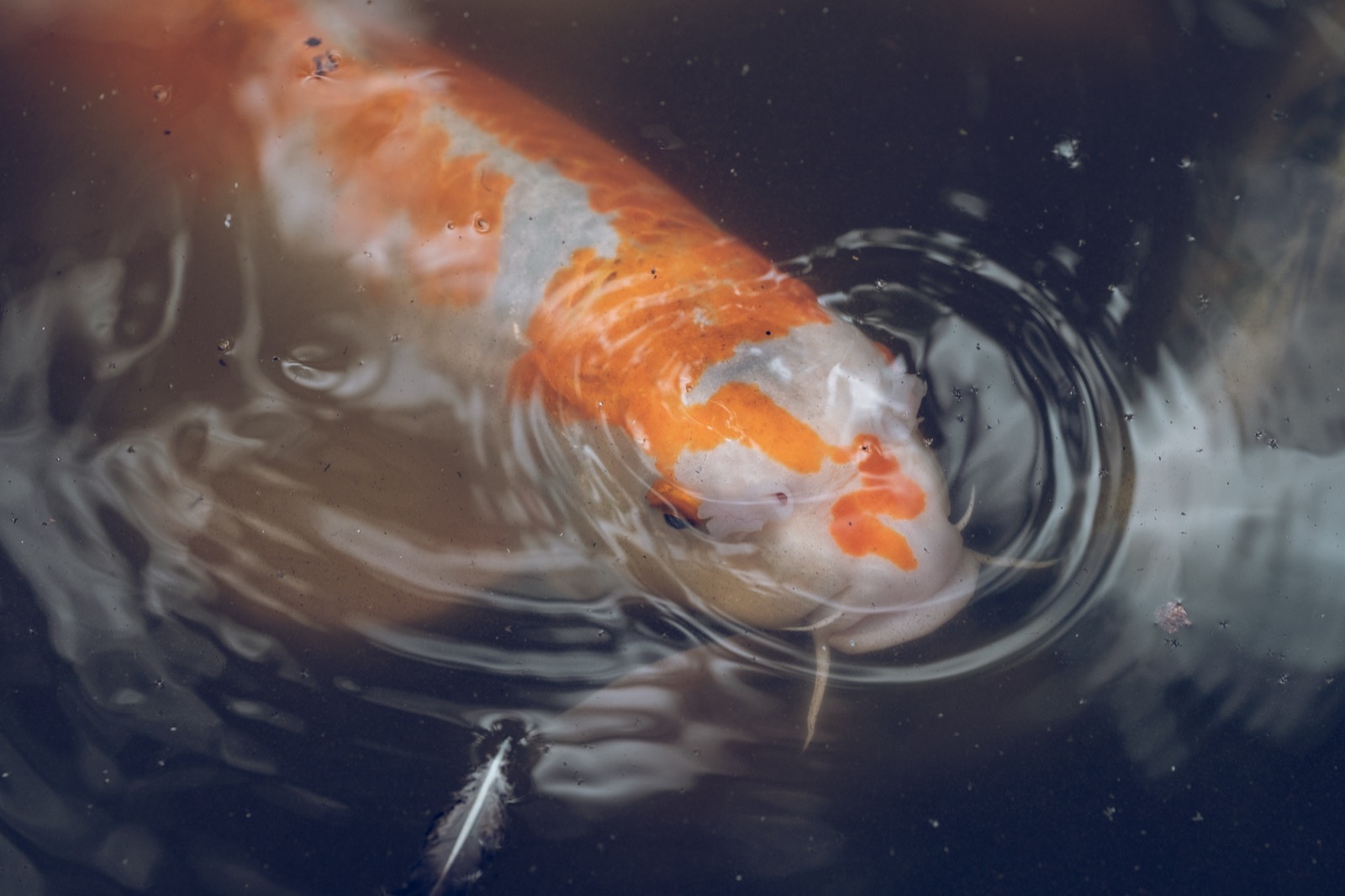
Fish gasping at the surface is a 4-alarm emergency, not a quirky behavior. Four causes drive it. Identify yours fast, act in the right order, and stop losing fish.
Fish gasping at the surface means one of four things: low dissolved oxygen, ammonia or nitrite poisoning, water too warm to hold oxygen, or gill damage from disease. The surface is where oxygen enters the water, so a fish parked at the top is fighting for air. The first move is always a liquid water test, because ammonia poisoning and low oxygen look identical from the outside but need opposite fixes. Most cases resolve within 24 hours when treated correctly.
Why Fish Gasp at the Surface
Healthy fish breathe through gills that pull dissolved oxygen out of the water. The top inch of water is where oxygen exchange happens with the air, so when a fish hangs at the surface with its mouth working at the water line, it is trying to access oxygen that is missing from the rest of the tank. According to the American Veterinary Medical Association aquatic resources, respiratory distress in fish is one of the fastest-progressing emergencies in home aquariums.
The four causes, ranked by frequency:
- Low dissolved oxygen from poor surface agitation or warm water
- Ammonia or nitrite poisoning from an uncycled or overloaded tank
- High temperature reducing oxygen carrying capacity
- Gill disease, flukes, or bacterial infection damaging the breathing surface
The trap is that all four look the same at first glance. Gasping, labored breathing, red or pale gills, lethargy, loss of appetite. The diagnosis comes from a 5-minute liquid water test plus a thermometer reading. Strip tests are not accurate enough for an emergency. Use a liquid API Master Kit or equivalent.
If multiple fish are gasping at once, the cause is almost always water-wide: oxygen, ammonia, nitrite, or temperature. If only one fish is gasping while the others behave normally, the cause is usually disease in that individual.
Low Dissolved Oxygen
Dissolved oxygen is the actual oxygen molecule suspended in water. Fish do not breathe water, they breathe the oxygen dissolved in it. When that level drops below roughly 4 to 5 parts per million, fish start gasping at the surface where the concentration is highest. Below 2 ppm, most freshwater fish die.
Surface agitation is what drives oxygen into the water. A still tank with a quiet filter outflow can run low on oxygen even at a comfortable temperature. Heavily stocked tanks, planted tanks at night (plants consume oxygen in the dark), and tanks with surface films from oils or proteins all reduce oxygen exchange.
Signs low oxygen is the trigger:
- All fish gasping at the surface, not just one
- Worst at night or early morning before lights come on
- Tank surface is glassy still with no ripples
- Recent power outage or filter failure
- Heavy stocking or recent new fish additions
- Tank has a visible oily film on the surface
Ammonia or Nitrite Poisoning
This is the silent killer in new tanks and overloaded tanks. Ammonia and nitrite are toxins produced by fish waste and uneaten food. A cycled tank has bacterial colonies that convert these to nitrate (much less toxic). A new tank or a tank with a damaged filter cannot process the load, and levels spike.
Ammonia damages gill tissue directly. Nitrite blocks oxygen from binding to fish blood (called brown blood disease). Both cause surface gasping because the fish cannot extract oxygen even from well-oxygenated water. The Cornell University College of Veterinary Medicine documents this as the leading killer of home aquarium fish in the first 6 months of tank setup.
Signs ammonia or nitrite is the trigger:
- Tank is less than 8 weeks old
- Recent large water change with no dechlorinator
- New fish added within the last 2 weeks
- Filter was replaced or scrubbed with tap water
- Fish appear lethargic with red or brown-streaked gills
- Test kit reads ammonia above 0.25 ppm or nitrite above 0.5 ppm
High Temperature
Water at 72 degrees Fahrenheit holds roughly 8.8 ppm of dissolved oxygen at saturation. At 86 degrees, it holds only about 6.6 ppm, a 25 percent drop. Warm water physically cannot carry as much oxygen, so summer heat waves push tanks into respiratory distress even when the filter is running fine.
Tanks near windows, in upstairs rooms, or running powerful LED lights without cooling can drift up to 84 to 90 degrees in summer. Tropical fish do not tolerate that. Bettas and tetras want 76 to 80. Goldfish prefer 65 to 72 and start gasping above 78.
Signs temperature is the trigger:
- Thermometer reads above 80 degrees for tropical, above 76 for coldwater
- Heat wave or hot weather started recently
- Tank is in direct sunlight or near a heat source
- Heater stuck on (cheap heaters fail this way often)
- Lights run more than 10 hours per day
- Worse symptoms in the afternoon than morning
Gill Disease, Flukes, or Bacterial Infection
When only one fish is gasping while the rest behave normally, the cause is almost always in that individual's gills. Gill flukes (microscopic parasites), bacterial gill disease, and Ich in the gill tissue all damage the fish's ability to breathe. The fish responds by trying to access the most oxygenated water at the surface.
Gill flukes are common in store-bought fish and are easy to miss. The fish breathes hard with one gill clamped or moving asymmetrically. Bacterial gill disease is often a secondary infection that follows ammonia exposure or chronic stress.
Signs gill disease is the trigger:
- Only one or two fish affected, rest of tank normal
- One gill cover clamped or moving differently than the other
- Excess mucus visible on gills (looks like white or gray slime)
- Recent new fish added without quarantine
- Flashing or rubbing against decor before gasping started
- Water parameters all test safe
Emergency Protocol for Surface Gasping
Confirm Gasping
Multiple fish at surface with mouths working, or one fish parked at the top breathing hard. This is not normal labyrinth-organ behavior (bettas and gouramis breathe air normally but do not pant).
Increase Surface Agitation
Lower water level 1 to 2 inches, angle filter outflow up, add an airstone if available. This buys time while you diagnose.
Run a Full Liquid Water Test
Ammonia, nitrite, nitrate, pH, temperature. Strip tests are not accurate enough for this. If you do not own a liquid kit, this is the moment you order one and use the strip until it arrives.
Read Results
Ammonia above 0.25 ppm or nitrite above 0.5 ppm: ammonia poisoning. Do a 30 to 50 percent water change. Temperature above 82 for tropicals or 76 for coldwater: temperature emergency. Cool with fan and ice bag. Parameters all safe and temperature fine: oxygen emergency. Maximize aeration. Only one fish affected: isolate and treat for gill flukes or bacterial gill disease.
Re-test Water
Fish behavior should start to improve. If not, repeat water change.
Confirm Normal Breathing
Confirm fish are off the surface and breathing normally. If still gasping, escalate to the next likely cause.
Re-test and Rest
Re-test water. Do not feed for 24 to 48 hours. Add a bacterial supplement if the cause was ammonia.
Continue Testing
Test daily. Keep aeration maxed out. Resume light feeding only when fish are normal and parameters are stable.
Full Water Test
Resume normal feeding schedule. Identify and fix the underlying problem (filter undersized, overstocked, temperature drift, missed water change).
What Not to Do
- Do not assume gasping is normal for goldfish or bettas. Bettas gulp air at the surface in calm bursts. They do not pant continuously. Goldfish that gasp are sick.
- Do not add stress coat or chemical "oxygen boosters" as the primary fix. They help marginally. Surface agitation helps in minutes.
- Do not do a 100 percent water change in a panic. Massive changes shock fish further and can kill them faster than the original problem.
- Do not use tap water without dechlorinator. Chlorine and chloramine damage gill tissue and worsen oxygen distress.
- Do not feed during the emergency. Uneaten food spikes ammonia and makes everything worse.
- Do not clean the filter or replace media during the crisis. The bacteria you need are living on that media.
- Do not raise the heater to make fish "more comfortable." Warmer water holds less oxygen. Heat is often the cause.
- Do not add medications blindly without identifying the cause. Many fish medications reduce dissolved oxygen and make gasping worse.
Frequently Asked Questions
Fish gasp at the surface for four main reasons: low dissolved oxygen, ammonia or nitrite poisoning, water that is too warm, or gill damage from disease or parasites. The surface is where oxygen exchange happens, so gasping is an attempt to access more oxygen or escape toxic water. It is an emergency in every case.
The fastest way to add oxygen is to increase surface agitation. Lower the water level by 2 inches so the filter outflow splashes harder, add an air pump with an airstone, or angle a powerhead upward toward the surface. In a true emergency, scoop and pour water from a cup held 12 inches above the tank for 60 seconds at a time.
Yes. Warm water holds less dissolved oxygen than cool water. Water at 86 degrees Fahrenheit holds roughly 25 percent less oxygen than water at 72 degrees. In summer, a tank that drifts up to 84 to 88 degrees can leave fish gasping even with good filtration. Cool the tank with a fan blowing across the surface or floating ice in a sealed bag.
No, but they look identical from the outside. Both cause surface gasping, lethargy, and red gills. The difference is the cause. Ammonia poisoning damages gill tissue so the fish cannot extract oxygen even from well-oxygenated water. A liquid test kit tells you which one you are dealing with in 5 minutes.
Not always. Tanks with strong surface agitation from a hang-on-back filter or canister outflow usually have enough oxygen without a separate air pump. But for tanks over 78 degrees, heavily stocked tanks, or any tank where fish are gasping, an air pump is cheap insurance. A 10 dollar air pump with airstone fixes most surface-gasping emergencies in under an hour.
If only one fish is gasping while the others behave normally, the cause is usually not water-wide. It is more likely gill disease, gill flukes, internal parasites, or the early stage of bacterial infection in that individual. Quarantine the affected fish and observe gill movement closely for parasites or excess mucus.
Goldfish are oxygen-hungry and produce heavy ammonia waste, so they gasp at the surface more often than most fish. The most common cause in goldfish is ammonia or nitrite poisoning from an undersized tank or poor filtration. Test water first. If parameters are safe, check temperature and oxygenation.
Yes, and quickly. Without filtration or aeration, dissolved oxygen drops within 1 to 2 hours in a stocked tank. Fish start gasping at the surface as oxygen depletes. A battery-powered air pump is the cheapest insurance for power outages and runs 24 to 48 hours on a single 9-volt battery.
Hours to a day, depending on the cause. Low oxygen with no toxins gives you the longest window. Ammonia or nitrite poisoning is much faster and can kill within hours of obvious gasping. Treat it as an active emergency the moment you see surface gasping that lasts more than a few minutes.
The Bigger Picture
Surface gasping is the single clearest distress signal a fish can give. It is never normal and never quirky. The good news is that all four causes are solvable inside 24 hours if you act in the right order: increase aeration first, then test water, then address the underlying cause. Tanks that recurrently push fish to the surface usually have a deeper setup problem, most commonly an undersized filter, overstocking, or skipped cycling. The full diagnostic for chronic fish loss is in our post on why fish keep dying. The opposite symptom, fish that hug the substrate and won't move, is covered in our post on goldfish sitting at the bottom of the tank — same diagnostic categories, opposite expression. The cloudy-water diagnostic that often pairs with oxygen issues is covered in the cloudy fish tank fix. If gasping started right after a water change, the cause is almost certainly in the post on fish dying after water change. For owners building a new tank from scratch, picking species matched to your tank size prevents the overstocking that drives most oxygen crashes, and our guide to the best fish for small tanks walks through which species belong in 5, 10, and 20 gallon setups.
Every tank is different based on size, stocking, filtration, and water source. PawMatch AI factors in your tank size, livestock, and water source to recommend the exact filter, air pump, test kit, and water care products that fit. Free, takes 30 seconds.
Stop Guessing. Get Matched.
Every tank is different. PawMatch AI uses your tank size, livestock, water source, and filtration to recommend the exact air pump, filter, test kit, and water care products that fit. Free, personalized, takes 30 seconds.
Find My Fish's Match →