How to Make a Ferret Not Smell? The Real Protocol That Actually Works
The secret to a non-smelly ferret is cage hygiene, not ferret hygiene. Bathe less, clean more, feed better. That order matters.
Ferret odor management is the opposite of intuitive. Most owners try to fix the smell by bathing the ferret, which strips skin oils, triggers more oil production, and makes the ferret smell worse within 48 hours. The real protocol is high-frequency cage and bedding hygiene combined with infrequent ferret bathing, a meat-based diet, and ensuring the ferret is neutered and descented (in the US). Done right, a ferret home should smell like a clean small animal room, not a wall of musk.
Why Ferrets Smell
Ferrets produce odor from three sources: sebaceous (oil) glands in the skin, scent glands near the anus, and hormonal odor in intact animals. The skin glands are the main source of the persistent musky baseline smell people associate with ferrets. Bathing strips the oils, the skin compensates by producing more, and the smell intensifies for days after each bath. This is why owners who bathe weekly often have the smelliest ferrets.
Most pet ferrets in the US come from Marshall Farms or similar large breeders, where ferrets are descented (anal glands removed) and neutered at 6 weeks. This eliminates the spray response and reduces hormonal odor, but the natural skin musk remains. In other countries where descenting is banned or restricted, the smell profile is slightly different but the same hygiene principles apply.
The ASPCA and VCA Animal Hospitals both identify cage hygiene, diet, and infrequent bathing as the standards for ferret odor management. The smell that drives owners crazy is almost always coming from the cage, the bedding, and the litter box, not from the ferret itself.
The five main sources of indoor ferret odor:
- Dirty bedding (hammocks, sleep sacks, blankets)
- Litter box not scooped frequently enough
- Intact (unneutered) status in adult ferrets
- Low-quality diet producing strong waste smell
- Over-bathing triggering excess skin oil production
Dirty Bedding
The single biggest contributor to home ferret smell. Ferrets sleep 14 to 18 hours a day, and they sleep deeply, in piles, in fabric. Their skin oils transfer to every hammock, sleep sack, blanket, and rug they touch. After 3 to 4 days, that fabric becomes the strongest scent source in the house.
Signs bedding is the trigger:
- Cage smells fine on washing day but strong by day 4 to 5
- Hammocks and sleep sacks have visible oil staining or yellow tinge
- Smell is strongest in the immediate area around the cage
- You bathe the ferret often but the room still smells
Litter Box Not Scooped Often Enough
Ferret urine and feces are concentrated and strong. A litter box not scooped twice a day becomes the second biggest odor source. Ferrets use the corners of their cage as designated bathroom areas, and litter boxes need to be placed in those corners and serviced frequently.
VCA Animal Hospitals recommends a litter box in each cage corner the ferret naturally uses and daily scooping for hygiene.
Signs litter is the trigger:
- Litter box visibly dirty most of the time
- Cage corner outside the litter box being soiled (sign of overfilled box)
- Smell concentrated in one part of the cage
- Using clay or scented litter (both make ferret odor worse)
Intact Hormonal Status
Unneutered male ferrets (hobs) produce a strong musky odor during breeding season, often year-round in captive lighting. Unspayed females (jills) develop persistent estrus that can be life-threatening (estrogen-induced aplastic anemia) in addition to producing strong odor. Most US pet ferrets are altered at 6 weeks, but rescue, imported, or breeder ferrets may still be intact.
Signs intact hormones are the trigger:
- Ferret was not altered or you cannot confirm status
- Strong, persistent musk that gets worse seasonally
- Male: yellow staining on belly fur, increased aggression
- Female: persistent vulvar swelling, lethargy, anemia signs
- Bathing and cage hygiene do not reduce the smell at all
Low-Quality Diet
Ferrets are obligate carnivores. Their digestive system is designed for raw or high-meat prepared diets, and their gut transit time is only 3 to 4 hours. Low-quality kibble with grains, corn, soy, or plant fillers produces stronger-smelling waste and worse coat condition. A meat-heavy diet reduces both stool smell and skin condition over weeks.
The Merck Veterinary Manual emphasizes high animal protein and animal fat diets for ferrets, with carbohydrates kept low because ferrets cannot efficiently digest plant matter.
Signs diet is the trigger:
- Current food has grains, corn, or vegetable filler in the first 5 ingredients
- Stools are large, soft, or particularly strong smelling
- Coat looks dull or greasy
- Multiple ferrets in the home and all share the same smell pattern
Over-Bathing
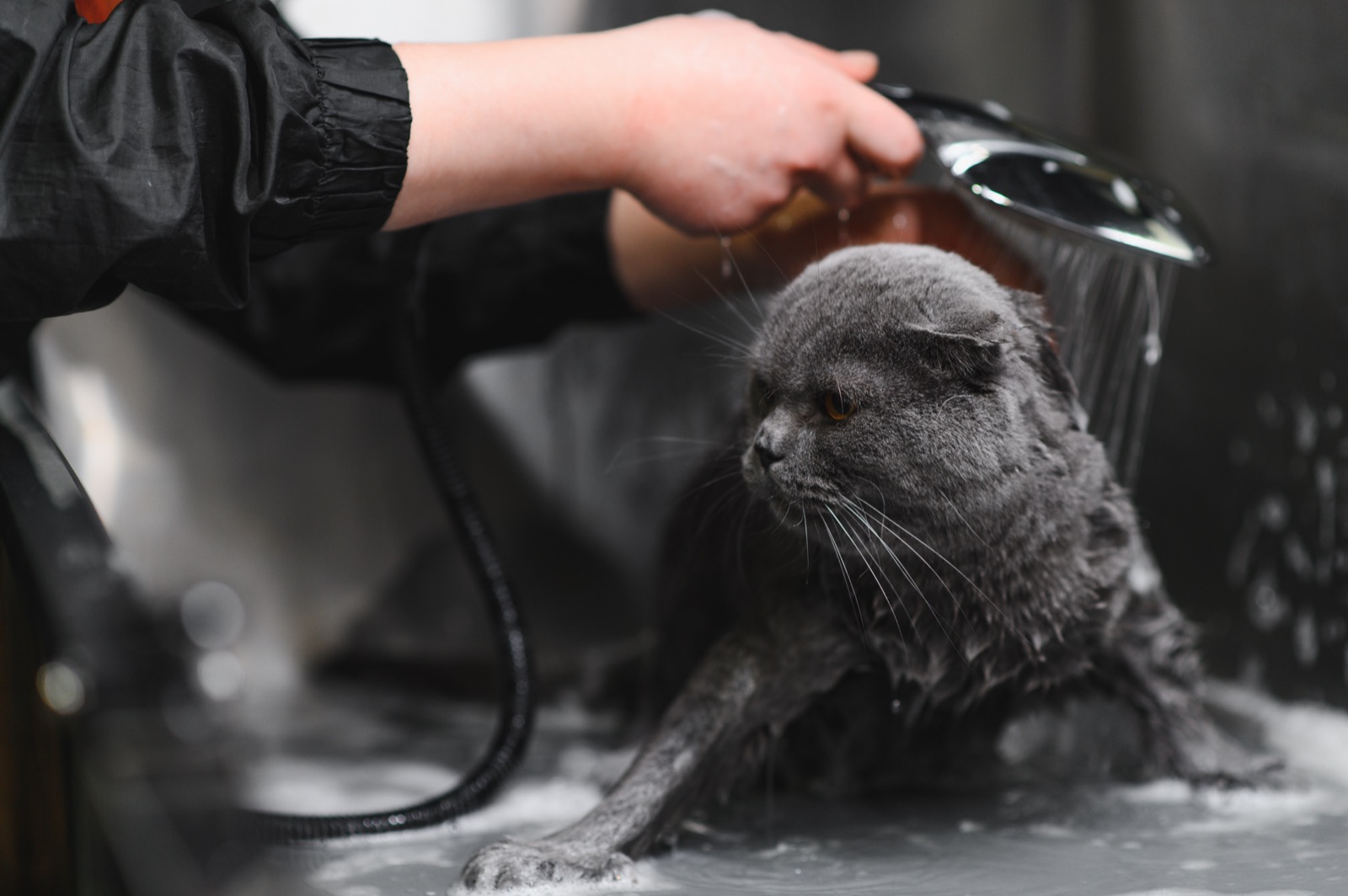
The most counterintuitive cause. Owners bathe the ferret to fix the smell, the skin compensates by producing more oil, and the ferret smells stronger 48 hours after each bath than it did before. Over-bathing also dries out the skin, causing itchiness and increased grooming, which spreads oils onto bedding faster.
Signs over-bathing is the trigger:
- Bathing more than once a month
- Smell returns within 1 to 2 days of every bath
- Skin looks dry or flaky
- Ferret scratches more than normal
- Coat looks greasy despite frequent bathing
The Real Ferret Odor Protocol (Day-by-Day)
Audit Current Routine
How often do you bathe? How often is bedding washed? Litter scoop frequency? Current diet? Ferret neuter and descent status?
Set Up Bedding Sets
Buy or set up two full bedding sets. Hammocks, sleep sacks, blankets. Wash one set today.
Scoop Litter Twice
Scoop litter twice (morning and night). Set a reminder to maintain this.
Wipe Cage Surfaces
Wipe down all cage surfaces with diluted white vinegar (1:1 with water). Let air dry.
Check Diet
If it contains grains, corn, or filler in the first 5 ingredients, buy a quality replacement. Begin slow transition.
Set Up Litter Boxes
Set up litter boxes in every corner the ferret uses. Switch from clay to paper or wood pellet if needed.
Confirm Altered Status
Confirm ferret altered status. If unsure, schedule an exotic vet visit.
Daily Routine
Scoop litter twice, observe bedding for smell, wipe down cage walls. Resist any urge to bathe.
Rotate Bedding
Wash the second set of bedding. You should now be in a 3 to 4 day bedding rotation.
Grooming Basics
Clean ears with vet-approved ear cleaner and a cotton ball. Trim nails. Brush coat briefly with a soft brush (not a slicker).
Maintain Routine
Note odor level. If still strong after 3 weeks of correct protocol, see an exotic vet to rule out adrenal disease, dental disease, or skin infection.
Reassess
Most homes see a 50 to 70 percent reduction in baseline ferret smell within 30 days of consistent protocol. If a bath is needed, this is roughly the earliest it should be done.
What Not to Do
- Do not bathe weekly or even monthly. Over-bathing makes the smell worse.
- Do not use scented litter, scented bedding, or air fresheners near the cage. They mask but do not reduce smell, and the chemicals can irritate ferret respiratory systems.
- Do not use clay litter. Dust causes respiratory issues in ferrets.
- Do not skip the litter box. Loose bedding cannot be scooped and concentrates waste smell.
- Do not feed a grain-heavy or vegetable-heavy diet. Ferrets are obligate carnivores.
- Do not keep intact ferrets unless you are an experienced breeder. The welfare and odor issues are significant.
- Do not use dog or human shampoo. Both strip oils too aggressively.
- Do not assume the smell is normal. A clean ferret home in a quality setup should not be overwhelming.
Frequently Asked Questions
The real protocol is cage hygiene, not ferret hygiene. Wash bedding twice a week, scoop the litter box twice a day, wipe down the cage with white vinegar weekly, and feed a meat-based diet. Bathe the ferret no more than once every 2 to 3 months. Over-bathing strips natural oils and triggers more odor production.
Ferret odor comes from sebaceous skin glands, scent glands near the anus, intact (unneutered) hormones, dirty cage and bedding, and sometimes diet. Most ferrets in the US are descented and neutered at the breeder, which reduces but does not eliminate the natural musk. The strongest source of indoor ferret smell is almost always the cage, not the ferret.
No more than once every 2 to 3 months, and many ferrets only need a bath 2 to 4 times a year. Bathing strips natural skin oils. The skin then over-produces oil to compensate, which makes the ferret smell stronger within 24 to 48 hours of the bath. Less bathing means less odor over time.
Yes. Ferrets are obligate carnivores and need a high-meat, low-carb diet. Low-quality kibble with grains and plant fillers produces stronger-smelling waste and worse coat condition. A quality ferret kibble, raw diet, or whole prey diet reduces odor noticeably within 30 to 60 days.
Significantly. Intact male ferrets (hobs) produce strong musk during breeding season, and intact females (jills) can develop a persistent estrus-related odor. Most pet ferrets sold in the US are descented and neutered at 6 weeks. Adopt only from sources that confirm both procedures or work with a vet on the right timing.
Descenting removes the anal scent glands surgically. In the US, Marshall and most large breeders perform descenting at 6 weeks. This eliminates the spray response but does not eliminate the natural musk from skin sebaceous glands. Descenting is banned or restricted in many other countries on welfare grounds.
Yes. Bathing too often strips the natural oils from the skin and coat. The body responds by producing more oil to compensate. The cycle creates a stronger baseline smell than before bathing. Most ferret behavior experts recommend bathing only 2 to 4 times a year.
Scoop litter twice daily. Wash bedding (hammocks, blankets, sleep sacks) twice a week. Wipe down cage surfaces with diluted white vinegar weekly. Deep clean the entire cage monthly with vinegar or unscented soap. Use a litter box, not loose bedding for waste. Clean cages account for 80 percent of the home odor difference in most cases.
Yes. Ferret ear wax has a distinct strong smell. Clean ears every 2 to 3 weeks with a vet-approved ear cleaner and a cotton ball (never a cotton swab). Wax buildup contributes to overall body odor and can also signal ear mites if it is dark and crumbly.
The Bigger Picture
A ferret home should smell mild, not overpowering. Most "smelly ferret" complaints trace back to dirty bedding, infrequent litter scooping, low-quality diet, and over-bathing, in that order. Fix those four and the ferret odor problem is essentially solved within 30 days. Bathing more is the wrong direction. Cleaning more is the right one.
The same principle applies across pet care: setup and routine drive 80 percent of the welfare outcome. Avoiding the common new pet setup mistakes is what separates a smooth first year from a frustrating one. Reading the early signs of pet boredom helps you fix issues before they become behavioral problems. The same diagnosis-then-fix pattern works for any small mammal in a cage; for example, a hamster biting the cage bars almost always traces to enclosure size or enrichment, not the animal.
Ferrets need specific diet, cage setup, and bedding that does not match what is sold in most pet store starter kits. PawMatch AI factors in your ferret's age, neuter status, and home environment to recommend the exact food, litter, bedding, and cage accessories that fit. Free, takes 30 seconds.
Stop Guessing. Get Matched.
Every ferret is different. PawMatch AI uses your ferret's age, neuter status, and home environment to recommend the exact food, litter, bedding, and cage accessories that fit. Free, personalized, takes 30 seconds.
Find My Pet's Match →