Guinea Pig Wheeking? What That Loud Squeal Means and When to Worry
Wheeking is your guinea pig screaming WHERE IS MY FOOD at the top of its tiny lungs. It is normal, but constant wheeking points to a setup problem you can fix in a week.
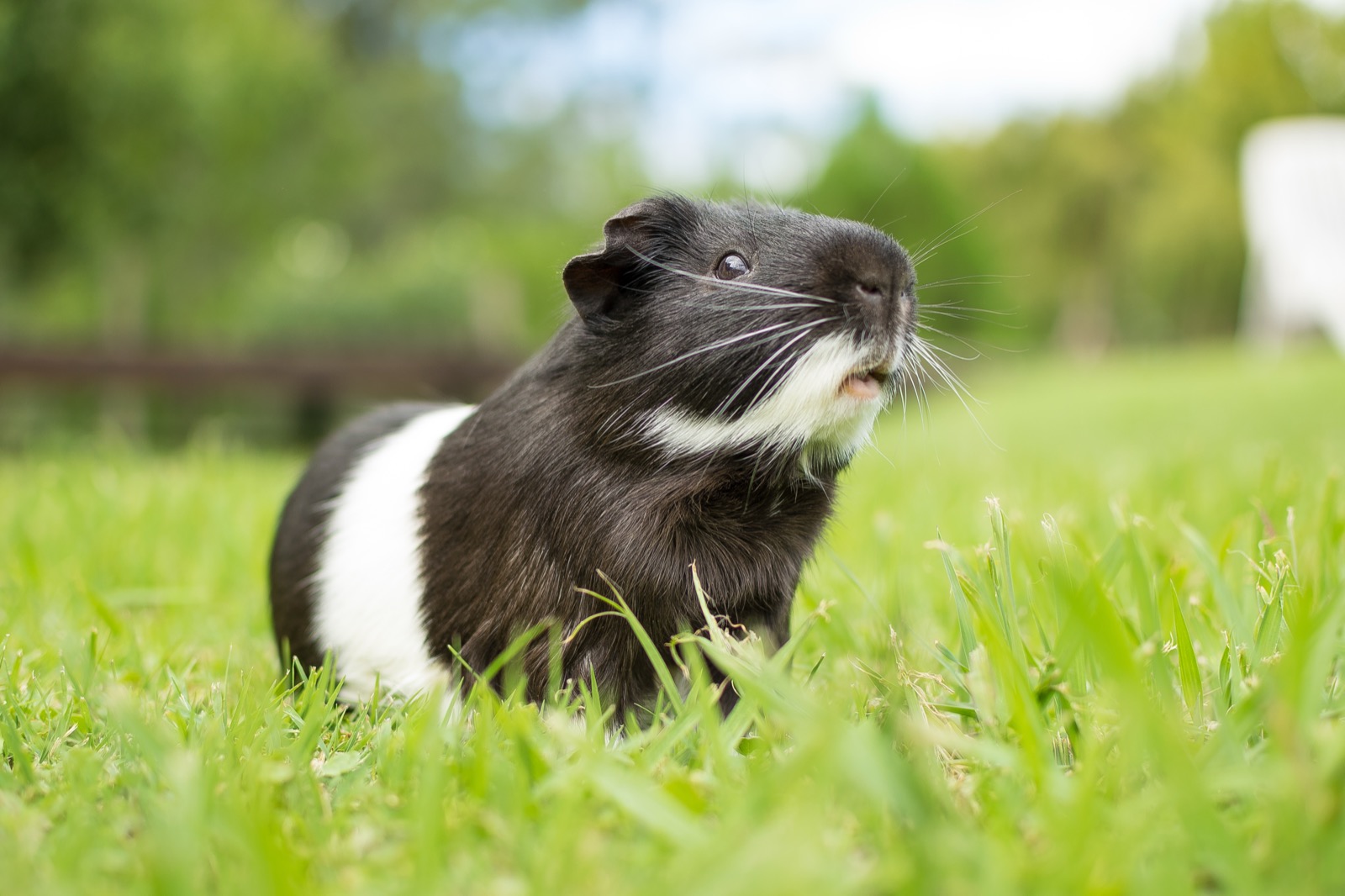
Wheeking is a learned, food-and-attention demand vocalization unique to domestic guinea pigs. They do not wheek to each other in the wild. They wheek at humans because we taught them it works. Constant wheeking usually means the pig has learned the kitchen sound equals dinner, but it can also signal genuine hunger, social stress, or a missing cagemate. Quiet pigs are not abnormal, but a guinea pig that suddenly goes silent is more concerning than one that wheeks.
Why Guinea Pigs Wheek
Wheeking is a domestic behavior. Wild cavies in South America use other vocalizations to communicate within the herd, but the high-pitched demand wheek developed in captivity because it gets results. Owners feed wheeking pigs faster, and a few thousand generations of selective living with humans turned the wheek into a reliable food-seeking strategy.
The ASPCA lists vocalization as a normal part of guinea pig social and feeding behavior and notes that pet pigs are most vocal at feeding times. The wheek itself is not a problem unless it becomes constant, escalates in pitch and frequency, or suddenly stops.
The five most common reasons pet guinea pigs wheek:
- Food expectation, especially after associating a sound with feeding
- Learned attention seeking that has been reinforced
- Genuine hunger from insufficient hay, late feeding, or underweight pig
- Social distress from a missing cagemate or loneliness
- Excitement at seeing a familiar human
Food Expectation and Sound Association
The most common wheek trigger. Pigs build associations fast. The rustle of a plastic bag, the fridge door opening, the sound of footsteps in the kitchen, the click of a vegetable drawer, all can become wheek triggers within days of consistent feeding patterns. The pig hears the cue, wheeks, food appears, and the loop is locked in for years.
This is normal and not a problem unless it escalates to nonstop wheeking every time anyone is in the kitchen.
Signs food expectation is the trigger:
- Wheeking starts when you enter the kitchen or open the fridge
- Wheeking happens at consistent times of day (your feeding schedule)
- Pig is otherwise calm, eating, and active
- Wheeking stops the moment food is delivered
- Pig is at a healthy weight and not hungry between meals
Learned Attention Seeking
When humans respond to wheeking with food, talk, or coming over to the cage, the wheeking gets reinforced. Some pigs learn that wheeking gets the human into the room and just keep doing it whenever they want company. This is the version that drives owners to look up "why does my guinea pig wheek constantly."
Signs attention seeking is the trigger:
- Wheeking happens whenever you walk past the cage
- Wheeking stops when you talk to the pig or come close
- Pig has unlimited hay and is not actually hungry
- Wheek is loud and sustained, often lasting minutes
- Behavior worsened recently as the pig learned what works
Genuine Hunger
A small percentage of constant wheeking is real hunger. Guinea pigs need unlimited hay 24 hours a day, plus a daily portion of fresh vegetables and a measured amount of pellets. Pigs underfed on hay, fed too few fresh vegetables, or kept hungry between meals will wheek as a real distress signal.
The Merck Veterinary Manual lists ad libitum (unlimited) grass hay as a non-negotiable diet requirement for guinea pigs, both for digestive health and for dental wear.
Signs hunger is the trigger:
- Hay rack is often empty or only filled once a day
- Pig is at a low or borderline body weight
- Wheeking happens hours away from your feeding schedule
- Wheeking only stops once food is fully available
- Multiple pigs in one cage and food competition
Social Distress
Guinea pigs are herd animals. A solitary pig wheeks more, often as a social call looking for cagemates. Swiss law famously requires guinea pigs to be kept in pairs because the welfare evidence on solitary cavies is so clear. A pig that lost a cagemate may wheek continuously for days or weeks looking for the missing partner.
Signs social distress is the trigger:
- Pig is alone in the cage (solitary)
- Recent loss of a cagemate
- Wheeking is high-pitched, sustained, and unrelated to meal times
- Pig is otherwise withdrawn, less playful, less eating
- Cage is in a quiet, low-traffic location
Excitement and Greeting
Some pigs wheek as a happy greeting when their favorite human comes home. This is the cutest and least concerning version. It is short, paired with running to the front of the cage, and usually drops off within a minute.
Signs excitement is the trigger:
- Wheeking happens specifically when their human arrives
- Pig runs to the front of the cage
- Behavior is short and self-limiting
- Pig is otherwise calm and content
- May popcorn (jump in air) at the same time
Wheeking vs Other Guinea Pig Sounds Decoded
Wheeking is one of at least 8 distinct guinea pig vocalizations. Reading the rest of the vocabulary helps you tell normal noise from a real problem.
Wheeking. High-pitched demand call. Food, attention, excitement. Loud, sustained, aimed at humans. Normal.
Rumbling. Low, vibrating rumble paired with a sway. Males do it during mating. Females do it during dominance disputes or when in season. Sometimes called "rumblestrutting." Not a sign of distress unless paired with aggression.
Purring. Context dependent. A low, relaxed purr while being petted or eating means contentment. A higher, choppier purr with a stiff body means irritation or "stop touching me." Read the body posture.
Chutting. Short rapid "chut chut chut" sounds during exploration or relaxed interaction with cagemates. Curious, social, positive. Like talking to themselves.
Chirping. Rare, prolonged, often birdlike. The meaning is debated. Some researchers think it is a trance state during stress or hormonal shifts. Not common, and if your pig chirps regularly, document it and ask an exotic vet.
Teeth chattering. Rapid clicking of the teeth, sharp and percussive. A warning sound: "back off." Often heard between pigs during disputes or when a pig is irritated by handling. Different from quiet tooth grinding during pain (slower, deeper).
Squealing. High pitched single sharp scream. Pain, fear, or being grabbed unexpectedly. Always investigate. If a pig squeals during pick-up, check for an injury, urinary stone, or back pain.
Shrieking. Sustained loud alarm call. Acute distress, often from being grabbed by a predator, dropping, or sudden severe pain. Rare. Investigate immediately.
The pattern matters. A pig that wheeks at meal time is fine. A pig that squeals when you lift it has a problem. A pig that goes silent for 24 hours is the most worrying of all.
7-Day Plan to Manage Constant Wheeking
Audit Feeding
Count how many times you respond to wheeking with food, treats, or attention. Note hay availability. Weigh the pig if you have a kitchen scale.
Refill Hay
From now on, hay is available 24/7. A second backup hay pile prevents one pig blocking access in multi-pig cages.
Set Feeding Schedule
Fresh vegetables twice daily, same times. Pellets once daily. Stop feeding outside this schedule.
Stop Reinforcing
Stop responding to wheeking with attention or food. Walk past the cage normally. Engage when the pig is calm, not when it wheeks.
Add Enrichment
Hay-stuffed paper bags, cardboard tubes, willow balls, a tunnel. Boredom drives more vocalization than people realize.
Evaluate Social Setup
If your pig is alone, plan for bonding a second pig within the next month.
Reassess
Wheeking should be more contained to actual meal windows. If still constant, recheck hay availability, weight, and consider exotic vet for medical workup.
What Not to Do
- Do not feed every time the pig wheeks. This is the most common reinforcement loop.
- Do not house guinea pigs alone unless medically necessary. Solitary pigs have worse welfare outcomes.
- Do not skip hay or run out of it. Hay is the most important food and a pig should never be without it.
- Do not assume wheeking is always cute. Constant wheeking can be a real distress signal in unbonded or underfed pigs.
- Do not punish or spray water. Negative reinforcement makes confident pigs become anxious without reducing the noise.
- Do not ignore sudden silence in a normally vocal pig. That is the actual emergency.
- Do not use a wire-bottom cage. Foot pain is a silent welfare issue and tied to many behavior changes.
Frequently Asked Questions
Wheeking is a high-pitched squeal guinea pigs make to demand food or attention. It usually signals excitement about an upcoming meal, fresh vegetables, or the return of a favorite human. It is a learned behavior aimed specifically at people because guinea pigs do not wheek to each other in the wild.
Constant wheeking usually means the pig has learned that wheeking equals food or attention. If treats follow every wheek, the behavior gets reinforced. Constant wheeking can also signal genuine hunger from underfeeding, lack of unlimited hay, or social stress from a missing cagemate.
Not usually. Wheeking is food and attention based. Pain in guinea pigs usually shows as quieter signs: hunching, tooth grinding, reluctance to move, or sudden silence in a normally vocal pig. A guinea pig that goes silent is more concerning than one that wheeks.
Wheeking is the demand call, medium to high pitch, often rhythmic. A pain or fear squeal is sharper, higher, often a single piercing note, and triggered by being grabbed, hurt, or startled. The duration and pattern tell them apart.
Most do, but volume varies a lot by individual. Some pigs are loud wheekers, others rarely make the sound at all. Personality, age, and how reinforced the behavior has become all play a role. A non-wheeking pig is not abnormal as long as it is eating, drinking, and active.
Stop reinforcing the wheek. If you feed every time the pig wheeks, it will wheek every time you walk near the kitchen. Feed on a set schedule regardless of the noise. Most wheeking volume drops within 2 to 3 weeks when the connection between noise and treats is broken.
Guinea pigs use at least 8 distinct sounds: wheeking (demand), rumbling (mating or dominance), purring (contentment or annoyance depending on context), chutting (curious exploration), chirping (rare, meaning debated), teeth chattering (warning or threat), squealing (pain or fear), and shrieking (acute alarm).
Guinea pigs are crepuscular and naturally active at dawn and dusk, with periods of activity through the night. Nighttime wheeking usually means hay or water is low, a cagemate is missing or sleeping somewhere new, or the pig hears late-night kitchen activity. Refill hay before bed and keep cage location quiet at night.
See an exotic vet if your guinea pig goes silent suddenly, makes pain squeals during handling, grinds teeth audibly while at rest, or shows hunching, weight loss, or reduced eating with vocal changes. Sudden vocal silence in a normally chatty pig is a red flag and warrants a visit within 48 hours.
The Bigger Picture
Wheeking is a domestic guinea pig superpower. Wild cavies do not wheek at each other, but pet pigs learned that this specific sound moves humans into action. That is a sign of intelligence, not a problem to suppress. The goal is not silence. The goal is wheeking that stays tied to real meal times and real social interactions, not a constant demand for attention you accidentally trained in.
Small mammal behavior problems share roots across species. Rabbits that chew everything are expressing the same need for enrichment and species-appropriate environment. Ferrets that develop a strong odor trace the same path: setup and routine, not the animal. Rabbits thumping at night are sending an alarm signal the same way a wheek is sending a food signal. Hamsters biting cage bars tell you the cage is too small the same way constant wheeking can tell you the diet is too restrictive.
Every guinea pig needs the right hay, the right cage size (minimum 7.5 square feet for two pigs), the right vegetables, and a cagemate. PawMatch AI factors in your guinea pig's age, sex, current cage setup, and any cagemate status to recommend the exact hay, pellets, and enrichment that fit. Free, takes 30 seconds.
Stop Guessing. Get Matched.
Every guinea pig is different. PawMatch AI uses your pig's age, sex, current cage setup, and cagemate status to recommend the exact hay, pellets, and enrichment that fit. Free, personalized, takes 30 seconds.
Find My Pet's Match →