Crested Gecko Not Eating? CGD Brand Guide, Temperature Ranges, and the Weight Tracking Protocol
A crested gecko refusing CGD is usually a temperature problem or a food freshness problem, not a medical one. Drop the room temp, swap to fresh diet, and most cresties resume eating within a week.
Crested geckos are the easiest pet reptile in the trade and the most overheated. Owners coming from bearded dragon or leopard gecko care often install heat sources that push the enclosure above 82°F, which is the temperature ceiling for crested gecko comfort. Heat stress is the single most common cause of feeding refusal. The second most common is stale or rejected CGD. Layer on stress, shed cycles, breeding season behavior, and the rare medical cause, and you have a clean diagnostic ladder. Most non-eating cresties resume eating in 5 to 7 days once temperature and food are corrected.
Why Crested Geckos Stop Eating
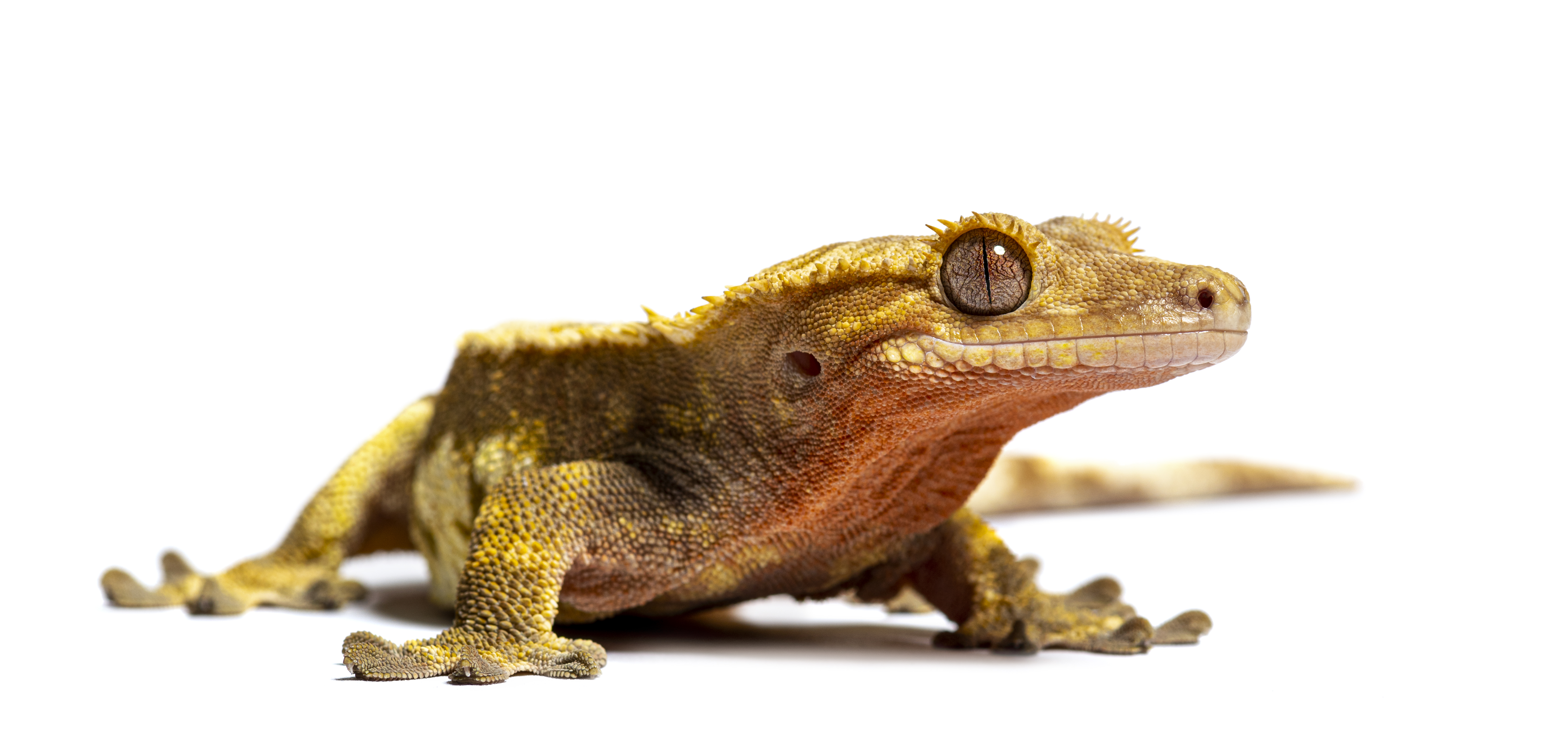
Crested geckos (Correlophus ciliatus) come from New Caledonia, where coastal forest temperatures sit at 68 to 78°F year-round with high overnight humidity. They were thought extinct until rediscovered in 1994, and the captive population has exploded since. Most husbandry advice on pet store labels and big-box reptile books overestimates their heat needs and underestimates how much they thrive at simple room temperature in temperate climates.
The six causes ranked by frequency:
- Enclosure too warm (above 82°F sustained)
- CGD too thick, too cold, or stale
- Stress: new enclosure, handling, location change, visible threats
- In or near a shed cycle
- Breeding season behavior (mature males, gravid females)
- Underlying illness: MBD, impaction, parasites, floppy tail syndrome
The VCA crested gecko guide and Reptiles Magazine crested gecko care archive both note that crested geckos are temperate-zone animals, not tropical, and overheating is the most common husbandry error in pet care.
Enclosure Too Warm
The single most common cause of crested gecko anorexia. Heat lamps, basking spots, ceramic heat emitters, or rooms above 78°F in summer all push the enclosure into the 80 to 90°F range where crested geckos stop eating, become lethargic, and risk fatal hyperthermia. Crested geckos do not need supplemental heat in most US homes year-round.
Signs the enclosure is too warm:
- Ambient temperature reads above 80°F at any point in the day
- Direct sunlight hits the enclosure
- Heat source (basking bulb, CHE, heat mat) in use
- Gecko spends days flat against the cool wall of the enclosure
- Gecko mouth held open for short periods
- Body looks pale or washed out
- Appetite worse in summer
CGD Too Thick, Cold, or Stale
CGD (Crested Gecko Diet) is mixed with water to a specific consistency. Too thick and the gecko struggles to lick it. Too thin and it dries fast. Left in the enclosure longer than 24 to 36 hours, fermentation starts, the smell changes, and most cresties refuse it. Cold CGD straight from the fridge has reduced aroma and gets rejected.
Signs CGD is the trigger:
- Powder mixed thicker than ketchup, hard to lick
- CGD left in enclosure for 48+ hours
- Refrigerated mixed CGD served cold without warming
- Same flavor served for weeks straight, gecko fixates and then quits
- Single brand offered with no rotation
Pangea vs Repashy: Brand Comparison
Both brands are nutritionally complete and widely accepted by crested geckos. Differences are small but real.
Pangea Crested Gecko Complete Diet.
- Strong fruit aromas, particularly Watermelon, Apricot, and Fig blends
- Slightly higher fat percentage, often preferred by underweight or gravid geckos
- Wide flavor variety (8+ blends)
- Generally more palatable to picky eaters
- Higher cost per ounce
Repashy Crested Gecko MRP (Meal Replacement Powder).
- Cleaner aroma, less fruit-forward
- Slightly lower fat percentage
- Two main blends (Classic, Grubs N Fruit)
- Accepted by most non-picky cresties
- Lower cost per ounce
Practical recommendation. Buy one Pangea blend and one Repashy blend. Rotate flavors weekly. If a gecko fixates and refuses other diets, you can shift back with patience over 2 to 3 weeks. Avoid using baby food, banana, or homemade fruit slurries as primary diet. These cause calcium imbalance and MBD over months.
Stress
A new enclosure, recent move, change in lighting or background, new pet in the room, frequent handling, or visible reflections can suppress appetite for 1 to 3 weeks. Crested geckos are nocturnal and shy. Daytime disturbance counts as stress even if you cannot see the gecko reacting.
Signs stress is the trigger:
- Recent change (new tank, move, new substrate, new décor)
- Frequent handling in the past 2 weeks
- Enclosure in high-traffic area, near TV, or visible to other pets
- Gecko hides constantly day and night
- Tail loss (autotomy) within the past 30 days
- Pale coloration during the day
Shed Cycle
Crested geckos refuse food in the 1 to 3 day window before and during a shed. Skin looks dull, eyes look milky, and the gecko hides. Most cresties shed at night and eat the shed skin, so owners often miss the cycle entirely. Resume feeding 24 to 48 hours after shed completes.
Signs shed cycle is the trigger:
- Dull, slightly grayish skin
- Eyes look slightly cloudy
- Increased hiding
- Refusal lasts 1 to 5 days then resolves
- White flecks on the gecko or in the enclosure (shed remnants)
Breeding Behavior
Mature males (over 35 grams, 12 to 18 months old) often eat less during breeding season as testosterone rises. Gravid females (carrying eggs) may eat more or less depending on phase. Cycling females may skip 2 to 3 feedings around laying.
Signs breeding behavior is the trigger:
- Mature male, increased vocalizing and pacing at night
- Female with visible egg outline through the belly
- Time of year is March through August
- Female just laid eggs (digging marks in substrate, calcium spot under tongue area)
Underlying Illness
A minority of cases are medical. Metabolic bone disease (MBD), impaction, parasites, floppy tail syndrome, and respiratory infection all suppress feeding. Crested geckos are relatively hardy but not immune.
Signs illness is the trigger:
- Husbandry verified correct for 14+ days, still not eating
- Soft jaw, bowed limbs, wavy crests
- Hip bones visible, narrow tail base
- White or chalky material around the mouth or vent
- Discharge from nostrils, audible breathing
- Floppy tail (tail hangs forward over the head when upside down)
- Weight loss over 10 percent
Weight Tracking Protocol
Weight is the single most reliable health metric for a crested gecko. Weigh weekly for juveniles, every 2 weeks for adults. A digital kitchen scale with gram accuracy ($15) is sufficient.
How to weigh:
- Place a small deli cup or lightweight plastic bowl on the scale
- Tare to zero
- Gently place the gecko inside, cover with a hand if needed
- Read and record
Healthy weight ranges:
- Hatchling (0 to 3 months): 1.5 to 4 grams
- Juvenile (3 to 9 months): 4 to 15 grams
- Sub-adult (9 to 18 months): 15 to 35 grams
- Adult (18+ months): 35 to 65 grams depending on lineage
Weight loss thresholds:
- Under 5 percent over a month: monitor, continue normal care
- 5 to 10 percent: verify husbandry, address temperature and food freshness
- Over 10 percent: vet visit within 1 to 2 weeks
- Over 15 percent: vet visit within 48 hours
A gravid female may gain 15 to 30 percent before laying, then lose it post-lay. This is normal. Track around the laying event separately.
When to Add Insects
CGD alone is a complete diet. Insects are optional enrichment and protein boost. Add insects in these cases:
- Growing juveniles (4 to 18 months) to support growth
- Underweight geckos needing fat and protein
- Gravid females needing extra calcium and protein
- Cresties bored with CGD only (rare but happens)
Insect options:
- Crickets (small or medium, gut-loaded 24 hours)
- Dubia roach nymphs (preferred; quiet, clean, nutritious)
- Black soldier fly larvae (high calcium, easy)
- Hornworms or silkworms as occasional treats
Avoid:
- Mealworms and superworms (high chitin, low nutrition)
- Wild-caught insects (parasite and pesticide risk)
- Insects larger than the space between the gecko's eyes
Dust insects with calcium plus D3 once per week and plain calcium another feeding. Offer insects in a feeding cup or by tweezer at night, no more than 1 to 2 times per week.
7-Day Diagnostic Protocol
Measure Ambient Temperature
Measure ambient temperature with a digital probe thermometer at multiple points in the enclosure. Note morning, midday, and evening readings. If anything exceeds 80°F, identify and remove the heat source.
Mix Fresh CGD
Pangea or Repashy, mixed to a ketchup-yogurt consistency, served at room temperature in a clean dish. Place in the enclosure at dusk.
Weigh and Audit Enclosure
Weigh the gecko. Record. Audit enclosure: sight-line barriers on three sides, hide options, vertical climbing structure, humidity cycle (60 to 70 percent day, 80 to 90 percent overnight).
Mist Heavily
Mist heavily at dusk. Confirm humidity rises to 80 to 90 percent overnight and drops to 60 to 70 percent by morning. Adjust misting schedule if humidity stays high all day (causes respiratory issues) or drops below 50 percent during the day (causes dehydration).
Offer Alternate Flavor
Offer alternate flavor or alternate brand CGD if first attempt was refused. Pangea Watermelon, Pangea Fig, or Repashy Grubs N Fruit are widely accepted. Replace within 24 hours.
Skip Handling
No tank disturbance beyond misting and feeding. Let the gecko settle.
Reweigh and Decide
Weight stable and gecko eating? Continue corrected care. Weight loss over 5 percent or any clinical signs? Vet visit within 48 hours.
What Not to Do
- Do not use a basking bulb, ceramic heat emitter, or under-tank heater unless room temperature drops below 65°F.
- Do not feed baby food, banana, or homemade fruit slurries as primary diet. Cause calcium imbalance and MBD.
- Do not feed plain fruit or insects as the main diet. CGD must be the base.
- Do not handle a non-eating gecko to "check on it." Handling resets the stress clock.
- Do not house two crested geckos together long-term. Males will fight; females may stress one another; mixed pairs lead to constant breeding stress.
- Do not skip the humidity cycle. Constant high humidity causes RI; constant low causes shed problems.
- Do not feed insects larger than the space between the gecko's eyes.
- Do not assume a refused meal is illness without weight tracking.
- Do not put a crested gecko in direct sunlight even briefly. Glass enclosures can hit lethal temperatures fast.
- Do not use sand, walnut shell, or fine particulate substrate. Use coconut fiber, sphagnum moss, or paper towel.
Frequently Asked Questions
The six most common causes are temperature too high, CGD too thick or stale, stress from new enclosure or handling, breeding season behavior, in or near a shed cycle, and underlying illness like MBD, impaction, or parasites. Temperature and CGD freshness account for over 70 percent of cases.
Crested geckos thrive at 72 to 78°F ambient with a brief basking spot up to 80°F. They do not tolerate sustained temperatures above 82°F. Nighttime can drop to 65 to 72°F. Above 84°F causes heat stress, appetite loss, and risk of fatal hyperthermia.
Both are nutritionally complete and widely accepted. Pangea has stronger fruit aromas, particularly Watermelon and Apricot blends, and is often preferred by picky geckos. Repashy is slightly cheaper and accepted by most non-picky cresties. Rotate flavors to prevent fixation.
Juveniles under 15 grams: fresh CGD every other night. Sub-adults 15 to 30 grams: fresh CGD 3 nights per week. Adults over 30 grams: fresh CGD 2 to 3 nights per week. Replace CGD within 24 to 36 hours. Insects optional, 1 to 2 times per week.
No. A high-quality CGD is a complete diet and crested geckos can live full healthy lives on CGD alone. Insects are enrichment and a protein boost, especially helpful for growing juveniles, gravid females, and underweight geckos.
Use a digital kitchen scale with gram accuracy. Place a small deli cup on the scale, tare to zero, then gently place the gecko inside. Weigh weekly for juveniles, every 2 weeks for adults. Healthy hatchlings weigh 1.5 to 3 grams; adults reach 35 to 65 grams depending on lineage.
Daily humidity cycle: 60 to 70 percent during the day, 80 to 90 percent overnight after misting. Spray heavily once per evening so the enclosure drops back to 60 to 70 percent by morning. Constant high humidity above 85 percent causes respiratory infection.
A healthy adult can safely skip food for 1 to 3 weeks. Juveniles under 10 grams should not skip more than 5 to 7 days. Weight loss over 10 percent of body weight is the threshold to investigate.
Fruit-only feeding causes calcium deficiency and MBD over months. If a gecko refuses CGD but takes fruit, the CGD is likely too thick, too cold, or stale, or the gecko has been spoiled by fruit treats. Mix CGD slightly thinner, serve at room temperature, and stop offering plain fruit.
The Bigger Picture
A crested gecko refusing food is almost never a medical issue when husbandry is correct. The two real questions: is the enclosure under 80°F sustained, and is the CGD fresh and the right consistency? Fix those and most cresties eat again within a week. The other quiet danger is the slow drift toward fruit-only feeding because the gecko "likes it better." That ends in MBD. CGD must remain the base. If you also keep other geckos or reptiles, the same temperature-and-diet diagnostic framework applies. Our guide on leopard gecko stuck shed covers the humidity side of gecko care, and our guide on bearded dragons that stop eating handles the opposite end of the reptile heat spectrum.
Every crested gecko's environment is different based on enclosure size, room temperature, and diet history. PawMatch AI factors in your gecko's age, weight, and current setup to recommend the exact CGD brand, supplements, and enclosure setup that fit. Free, takes 30 seconds.
Stop Guessing. Get Matched.
Every crested gecko is different. PawMatch AI uses your gecko's age, weight, enclosure size, and current setup to recommend the exact CGD brand, supplements, and enclosure gear that fit. Free, personalized, takes 30 seconds.
Find My Reptile's Match →